

آگاهی و پیشگیریAwareness & prevention
مشاهده همهView all برنامهٔ غربالگریScreening plan
 تغذیه و سرطانNutrition & cancer
 استرس و سرطانStress & cancer
 الکل و سرطانAlcohol & cancer
 ژنتیک و سرطانGenetics & cancer
انواع سرطانCancer types
مشاهده همهView all سرطانهای شایعCommon cancers
 سرطان پستانBreast cancer
 سرطان پروستاتProstate cancer
 سرطان کولورکتالColorectal cancer
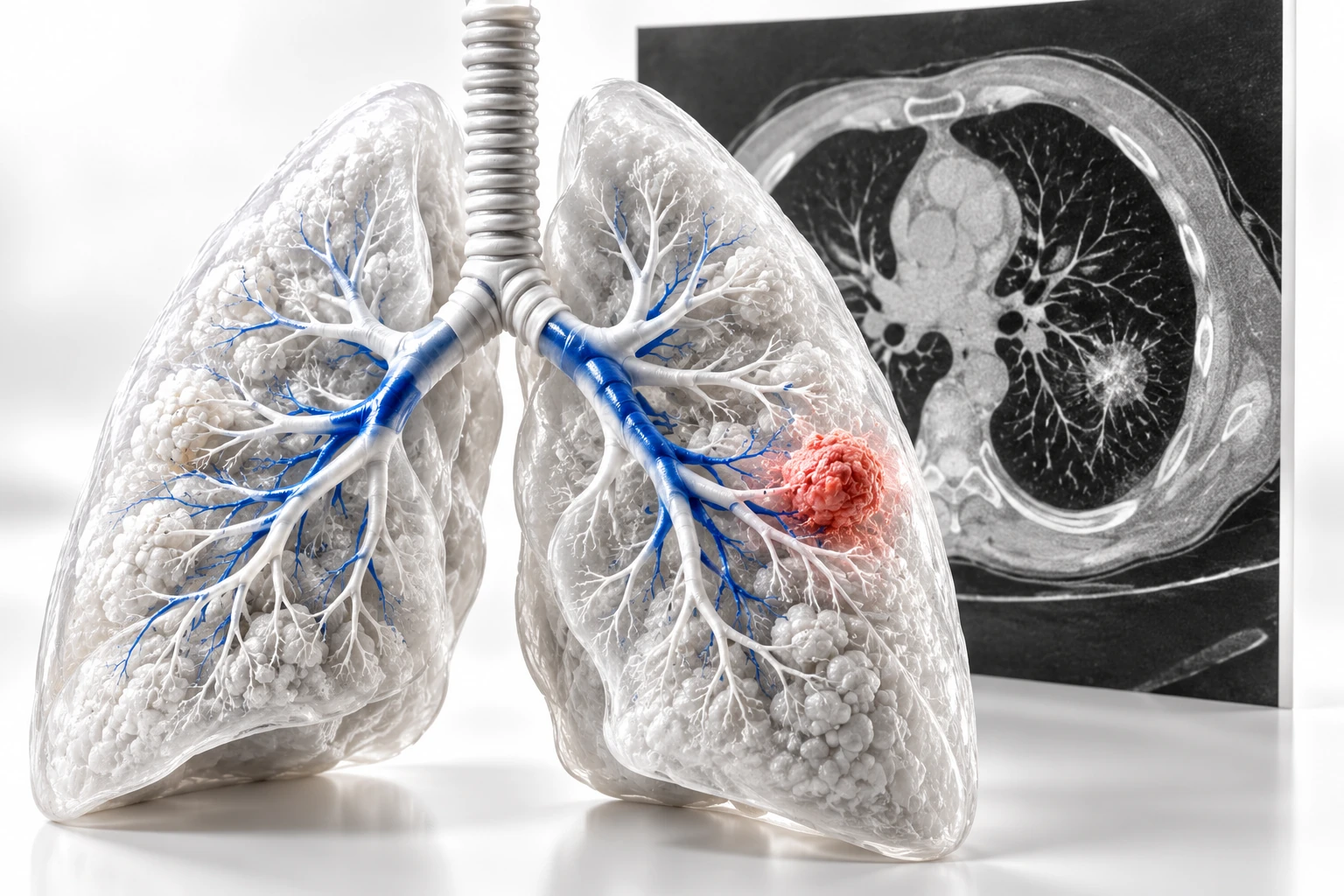 سرطان ریهLung cancer
خونشناسیHematology
مشاهده همهView all کمخونی فقر آهنIron deficiency anemia
 کمبود B۱۲ و فولاتB12 & folate deficiency
 سرطانهای خونBlood cancers
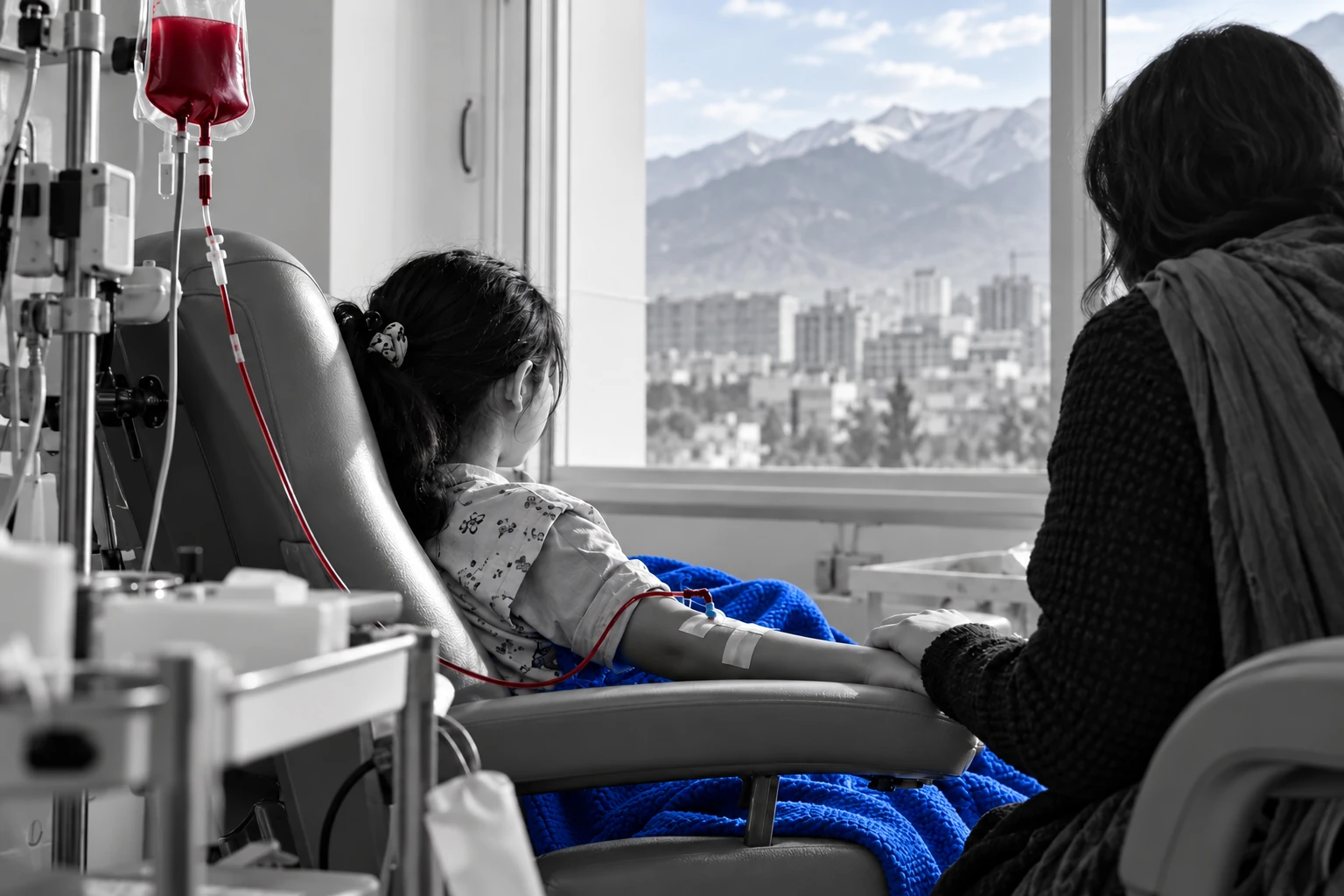 تالاسمیThalassemia
 اهدای خونBlood donation
تشخیص و بررسیDiagnosis & assessment
مشاهده همهView all گزارش پاتولوژیPathology report
 درمان شخصیشدهPersonalized treatment
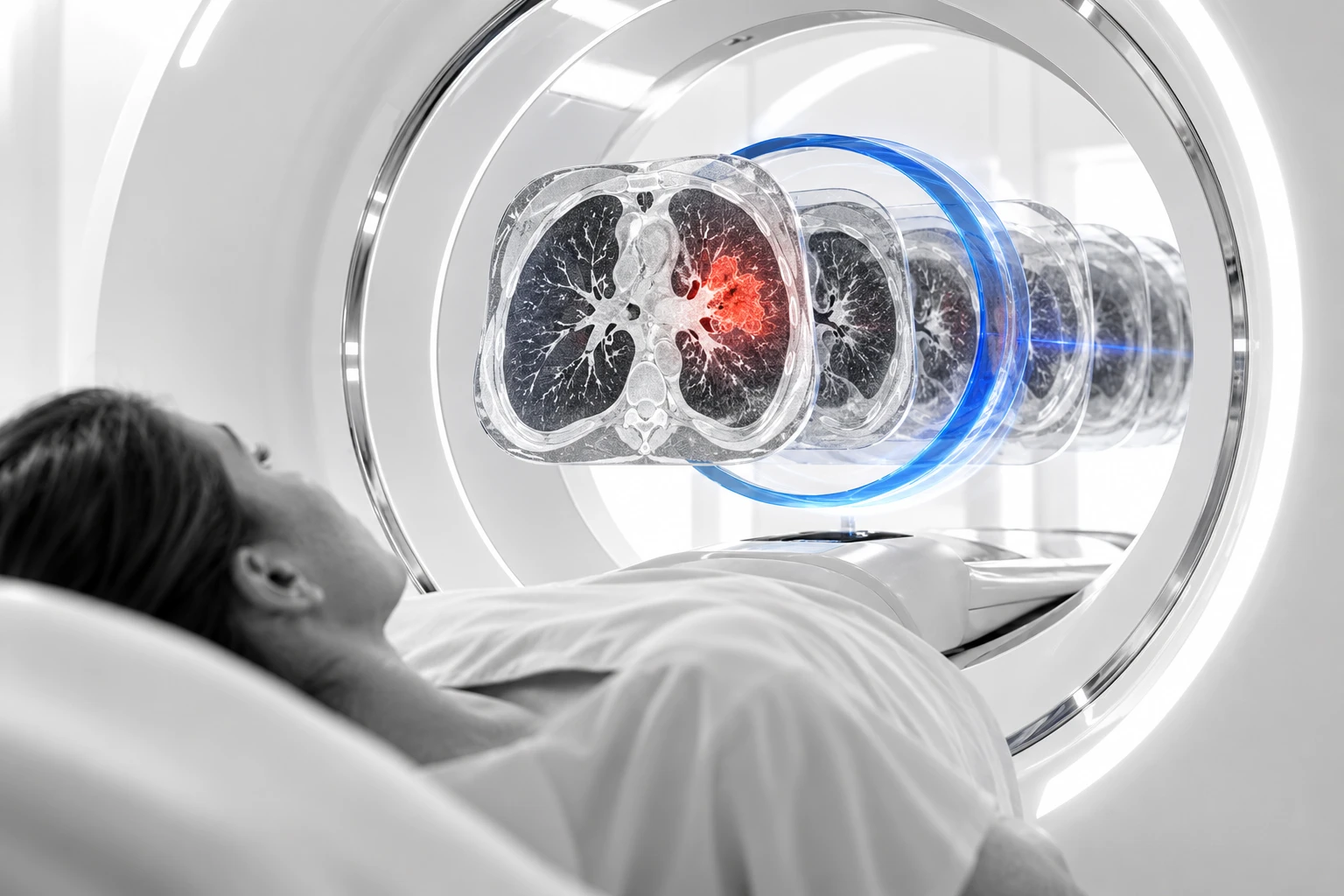 تصویربرداری سرطانCancer imaging
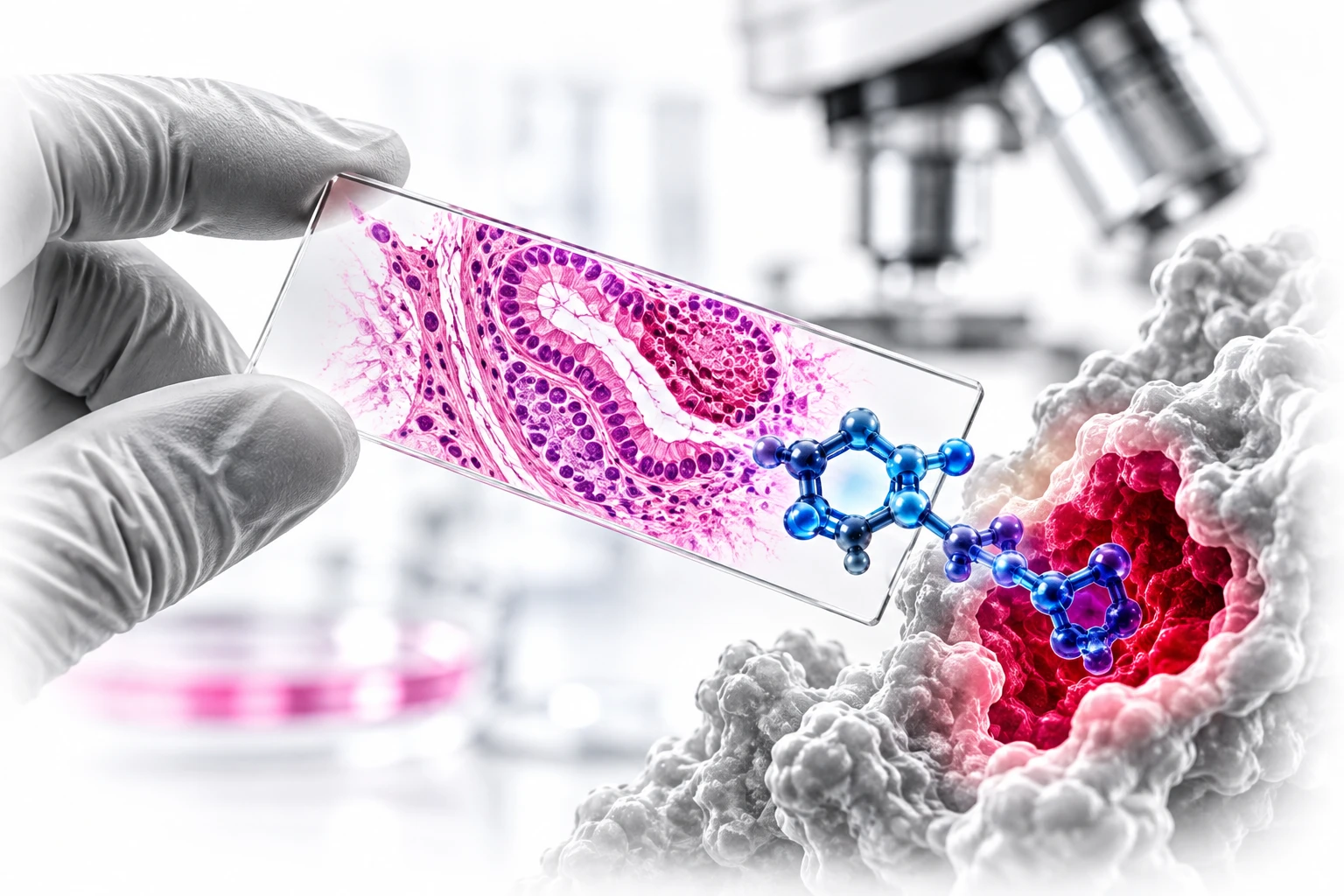 آزمایش بیومارکرهاBiomarker tests
 پس از تشخیصAfter diagnosis
درمان و مراقبتTreatment & care
مشاهده همهView all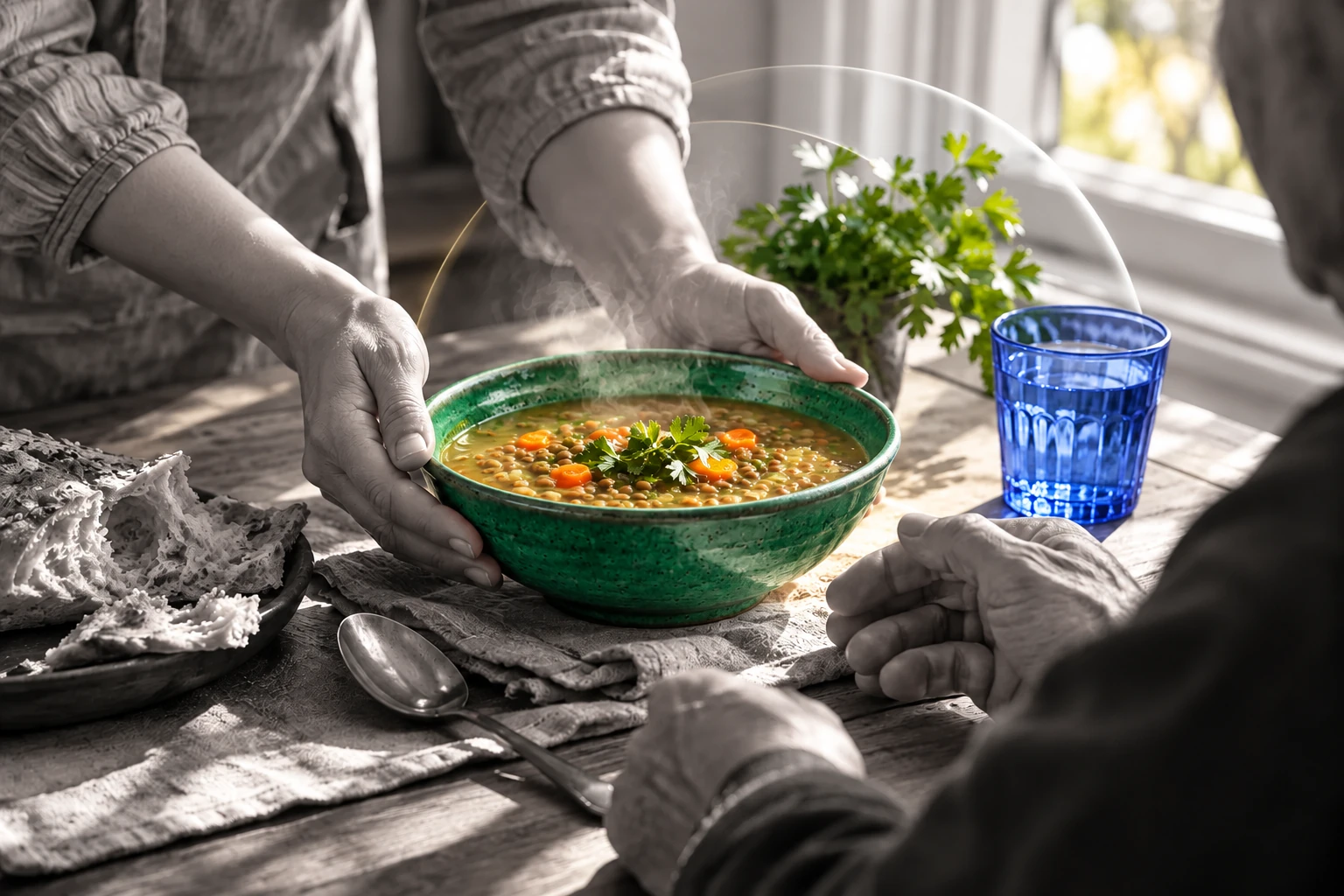 تغذیه حین درمانTreatment nutrition
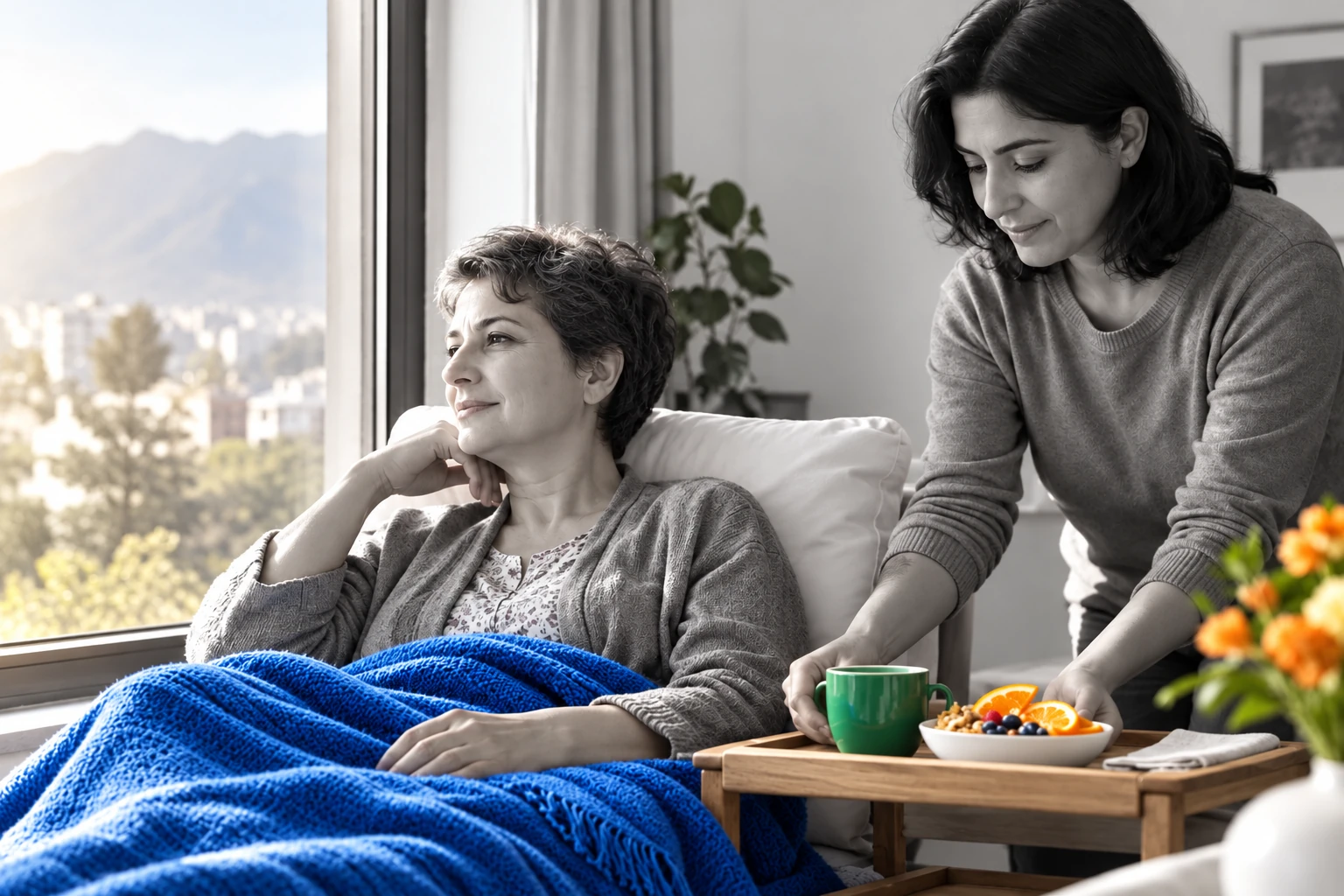 مراقبت شیمیدرمانیChemotherapy care
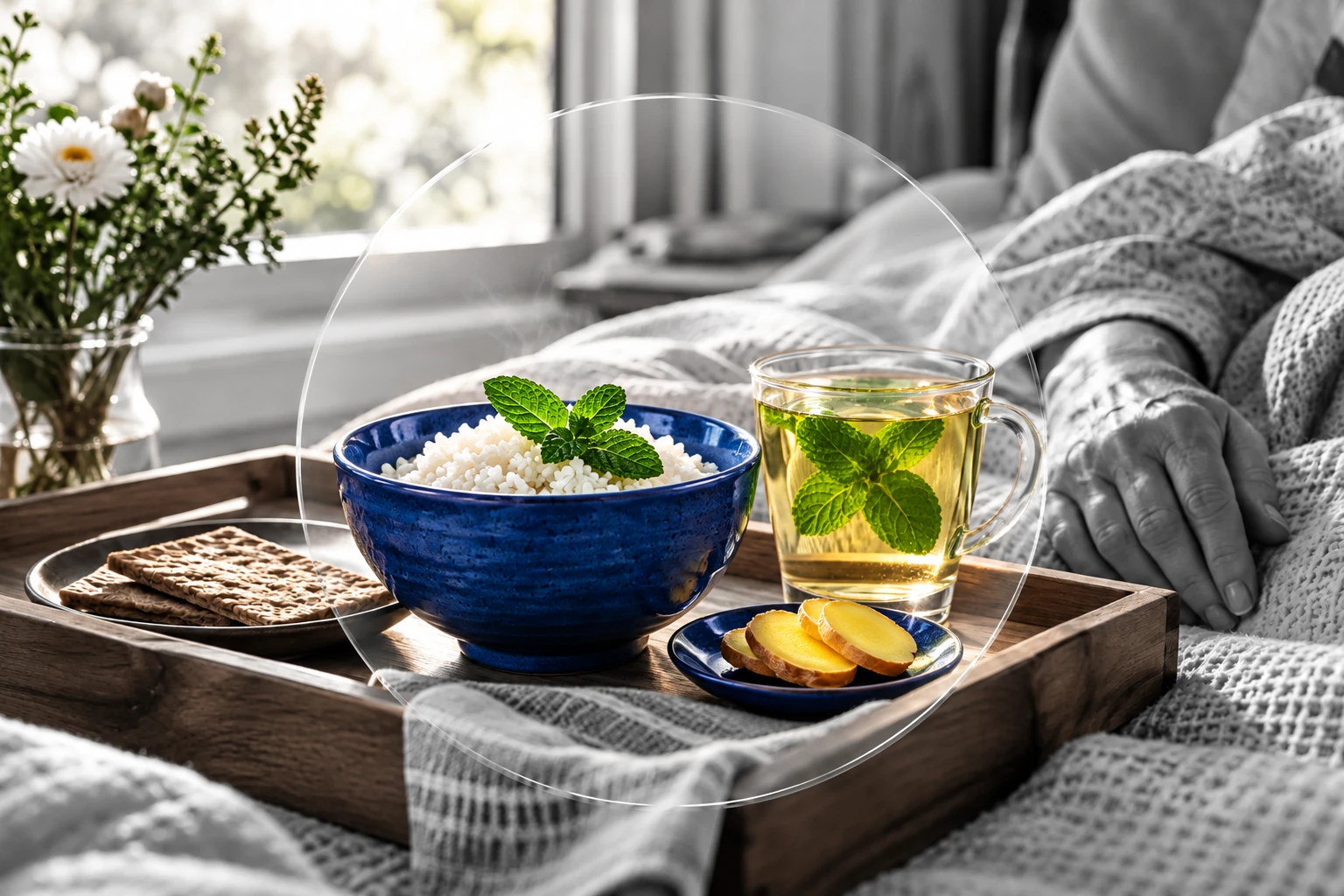 تهوع و اشتهاNausea & appetite
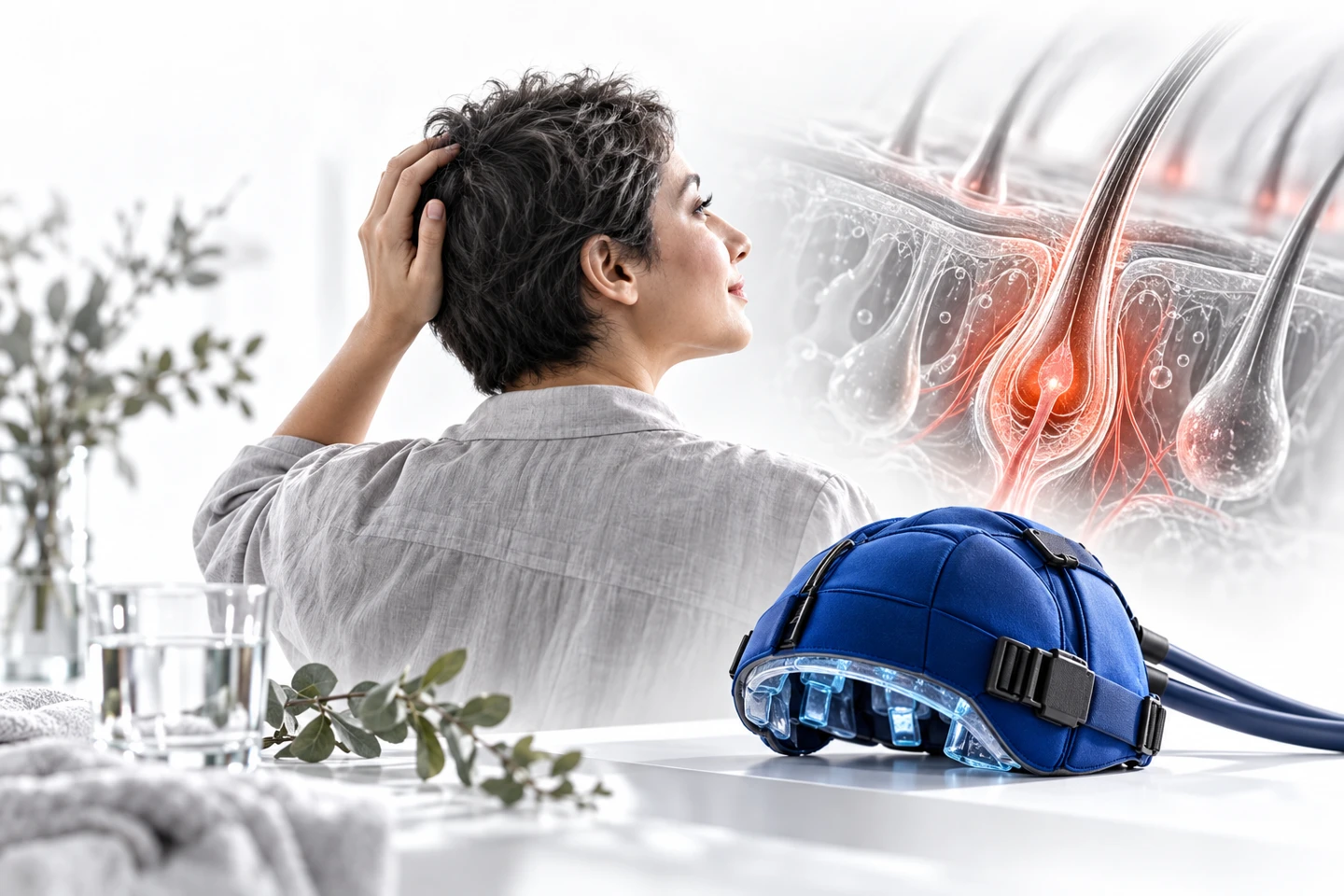 ریزش موHair loss
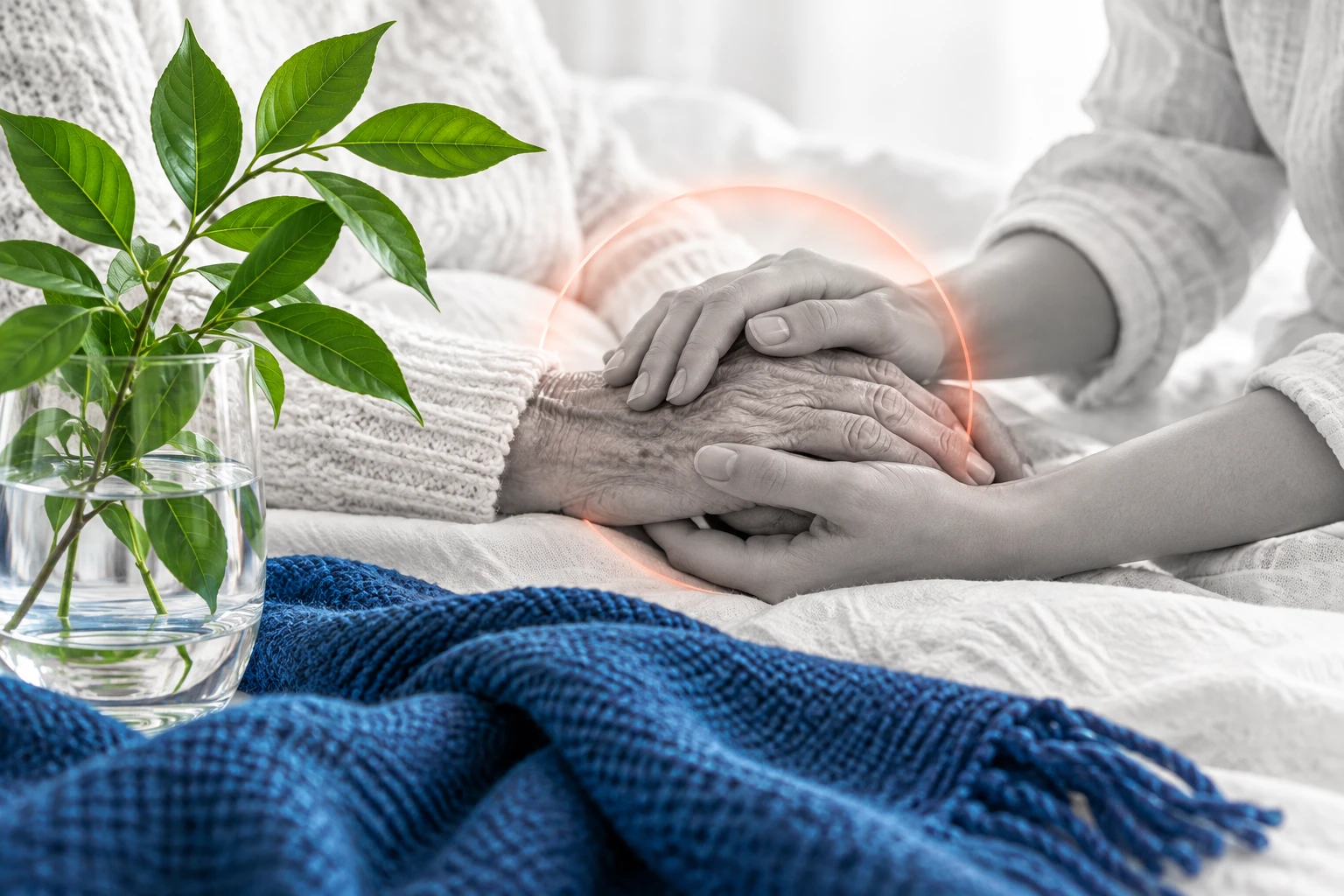 مراقبت حمایتیSupportive care
پرسشهای پرتکرارFrequently asked questions
عوارض شایع شیمیدرمانی چیست؟Common chemotherapy side effects?
عوارض شیمیدرمانی بسته به نوع دارو، دوز درمان و شرایط بدن هر فرد متفاوت است. شایعترین عوارض میتوانند شامل خستگی، تهوع، کاهش اشتها، زخمهای دهانی، ریزش مو و افت سلولهای خونی باشند. همه بیماران همه این عوارض را تجربه نمیکنند و شدت آنها نیز یکسان نیست. بسیاری از عوارض با داروهای کمکی، تغذیه مناسب و پیگیری منظم قابل کنترلاند. اگر علامتی شدید، ناگهانی یا غیرمعمول ایجاد شد، با تیم درمان تماس بگیرید.Chemotherapy side effects vary with the drugs, dose and each person’s condition. Common effects can include fatigue, nausea, appetite changes, mouth sores, hair loss and changes in blood counts. Not everyone develops all of these effects, and their severity varies. Many side effects can be reduced with supportive medicines, nutrition and regular follow-up. Contact your care team if a symptom is severe, sudden or unusual.
ریزش مو حتمی است؟Is hair loss inevitable?
خیر. همه داروها و رژیمهای شیمیدرمانی باعث ریزش مو نمیشوند و شدت آن از یک درمان تا درمان دیگر فرق دارد. در بعضی افراد فقط کمپشت شدن مو دیده میشود و در بعضی دیگر ریزش واضحتر است. ریزش مو معمولاً طی چند هفته پس از شروع بعضی درمانها آغاز میشود. در بسیاری از موارد، مو پس از پایان درمان دوباره رشد میکند، هرچند ممکن است موقتاً بافت یا رنگ متفاوتی داشته باشد. درباره احتمال ریزش مو در رژیم درمانی خود از تیم درمان سؤال کنید.No. Not every chemotherapy drug or regimen causes hair loss, and the degree varies between treatments. Some people notice thinning while others have more visible hair loss. With certain regimens it often begins within a few weeks of starting treatment. In many cases hair grows back after treatment, although its texture or color may temporarily differ. Ask your care team what is expected with your specific regimen.
تب پس از شیمیدرمانی؛ چه زمانی فوری است؟Fever after chemotherapy: when urgent?
تب ۳۸ درجه سانتیگراد یا بالاتر هنگام شیمیدرمانی میتواند نشانه یک عفونت مهم باشد و نیاز به تماس فوری با تیم درمان دارد. اگر تب همراه با لرز، ضعف شدید، تنگی نفس، سرفه، سوزش ادرار یا بدحالی واضح باشد، ارزیابی فوری اهمیت بیشتری پیدا میکند. در بعضی بیماران تعداد نوتروفیلها کاهش مییابد و بدن توان کمتری برای مقابله با عفونت دارد. بنابراین تب در این شرایط نباید تا روز بعد یا تا بهتر شدن خودبهخودی منتظر بماند. دستور اختصاصی مرکز درمانی خود را در اولویت قرار دهید.A temperature of 38°C / 100.4°F or higher during chemotherapy can signal a serious infection and requires urgent contact with the care team. Fever accompanied by chills, marked weakness, shortness of breath, cough, urinary symptoms or feeling very unwell needs especially prompt assessment. Some treatments lower neutrophil counts, reducing the body’s ability to fight infection. Do not wait until the next day or for the fever to resolve on its own. Follow the urgent-contact instructions given by your treatment center.
برای کاهش خطر عفونت در خانه چه کنیم؟How can I prevent infection at home?
شستن مرتب دستها، دوری از تماس نزدیک با افراد بیمار، مراقبت از دهان و پوست و رعایت ایمنی غذا از مهمترین اقدامات هستند. بریدگیها و خراشهای پوستی را تمیز نگه دارید و قرمزی، درد یا ترشح جدید را گزارش کنید. لازم نیست خانه را به محیط کاملاً استریل تبدیل کنید؛ رعایت دقیق اصول پایه بهداشتی معمولاً مهمتر است. اگر تیم درمان برای وضعیت خاص شما محدودیت دیگری توصیه کرده، همان دستور را دنبال کنید. تب یا علائم جدید عفونت را سریع گزارش کنید.Frequent handwashing, avoiding close contact with people who are ill, good mouth and skin care, and food safety are key measures. Keep cuts and scrapes clean and report new redness, pain or drainage. Your home does not need to become a sterile environment; consistent basic hygiene is usually more important. Follow any additional precautions your care team recommends for your individual situation. Report fever or new signs of infection promptly.
تهوع و بیاشتهایی را چطور کنترل کنیم؟Managing nausea and appetite loss?
داروهای ضدتهوع را دقیقاً طبق برنامه تجویزشده مصرف کنید؛ پیشگیری از تهوع معمولاً آسانتر از کنترل آن پس از شدید شدن است. وعدههای کوچک و مکرر، غذاهای سبکتر و دوری از بوهایی که تهوع را تشدید میکنند میتواند کمککننده باشد. مایعات را در حجم کم ولی به دفعات بنوشید تا خطر کمآبی کمتر شود. اگر بیاشتهایی طولانی شد، وزن کم کردید یا نتوانستید مایعات را نگه دارید، تیم درمان باید مطلع شود. گاهی لازم است داروها یا برنامه تغذیهای تنظیم شوند.Take anti-nausea medicines exactly as prescribed; preventing nausea is often easier than treating it once it becomes severe. Smaller, more frequent meals, lighter foods and avoiding smells that trigger nausea can help. Sip fluids regularly in small amounts to reduce dehydration risk. Tell your care team if poor appetite persists, you are losing weight, or you cannot keep fluids down. Medicines or the nutrition plan may need adjustment.
خانواده و دوستان چطور همراهی کنند؟How can family members help?
کمک خانواده فقط انجام کارهای روزمره نیست؛ همراهی آرام، شنیدن نگرانیهای بیمار و کمک به پیگیری درمان هم اهمیت زیادی دارد. خانواده میتواند در ثبت علائم، یادآوری داروها، همراهی در ویزیتها و توجه به علائم هشدار نقش مفیدی داشته باشد. حمایت عاطفی بهتر است بدون فشار برای مثبت بودن یا پنهان کردن نگرانیها باشد. دانستن اینکه چه علامتی نیاز به تماس فوری با تیم درمان دارد نیز بسیار کمککننده است. حمایت عملی، آرامش و ارتباط خوب با تیم درمان معمولاً بیشترین فایده را دارد.Family support is more than helping with daily tasks; calm companionship, listening and helping with treatment follow-up can be very valuable. Family members can help track symptoms, remember medicines, attend appointments and recognize warning signs. Emotional support is most helpful when it does not pressure the patient to appear positive or hide concerns. Knowing which symptoms require urgent contact with the care team is also important. Practical help, reassurance and good communication with the treatment team often make the biggest difference.