
توضیح تکمیلی: ۱) نام دقیق سرطان را روی کاغذ بنویسید
1. Write down the exact cancer diagnosis
- عبارت کلی «سرطان» برای تصمیمگیری کافی نیست.
- نام عضو درگیر، نوع بافتشناسی، محل شروع و در بسیاری از سرطانها زیرگروه پاتولوژیک یا مولکولی اهمیت دارند.
- از تیم درمان بخواهید نام دقیق بیماری را به زبان ساده برایتان بنویسد.
- اگر گزارش پاتولوژی در دسترس است، یک نسخه از آن را نگه دارید.
- The general term cancer is not enough for treatment decisions.
- The affected organ, tissue type, site of origin, and often a pathological or molecular subtype matter.
- Ask the team to write the exact diagnosis in plain language, and keep a copy of the pathology report when available.
توضیح تکمیلی: برای چه کسی و چه زمانی؟
Who is this for?
- این راهنما برای کسی است که در حال بررسی یک یافته، گزارش یا تشخیص است؛ توضیحات آن کمک میکند سوالهای دقیقتری برای ویزیت آماده کند.
- This guide is for someone reviewing a finding, report or diagnosis and preparing clear questions for the consultation.
توضیح تکمیلی: قدم عملی شما
Your practical next step
- گزارش پاتولوژی، تصاویر و فهرست داروها را در یک پوشه جمع کنید.
- در ویزیت بعد نام دقیق بیماری، مرحله، هدف درمان و قدم بعدی را بپرسید و پاسخها را یادداشت کنید.
- Keep pathology, scans and a medicine list together.
- At the next visit, ask about the exact diagnosis, stage, treatment goal and next step; write down the answers.
توضیح تکمیلی: از این کارها پرهیز کنید
What to avoid
- تصمیم را فقط از روی یک عبارت در گزارش یا تجربه فرد دیگر نگیرید.
- زمان مناسب گرفتن نظر دوم و امکان صبر برای آزمایش تکمیلی را از تیم بپرسید.
- Do not base decisions on one report phrase or another person’s experience.
- Ask how a second opinion or further testing fits the treatment timetable.
توضیح تکمیلی: چه زمانی کمک بگیریم؟
When to ask for help
- اگر نتیجهای هنوز بررسی نشده، علامتی ماندگار است یا زمان قدم بعدی مشخص نیست، با پزشک یا مرکز درخواستکننده تماس بگیرید.
- خونریزی شدید، تنگی نفس ناگهانی یا کاهش هوشیاری نیاز به ارزیابی فوری دارد.
- Contact the requesting clinician for an unreviewed result, persistent symptom or unclear next step.
- Severe bleeding, sudden breathlessness or impaired consciousness needs emergency assessment.
۲) Stage و گستردگی بیماری را جدا از نام سرطان بفهمید
2. Understand stage separately from the disease name
- نوع سرطان میگوید بیماری چیست؛ Stage معمولاً توضیح میدهد بیماری تا چه اندازه موضعی، ناحیهای یا منتشر است.
- مرحلهبندی در همه سرطانها به یک شکل انجام نمیشود و گاهی تا تکمیل تصویربرداری یا بررسیهای دیگر قطعی نیست.
- اگر Stage هنوز مشخص نشده، این به معنی «نامشخص بودن همهچیز» نیست؛ فقط بخشی از ارزیابی هنوز کامل نشده است.
- Cancer type describes what the disease is; stage usually describes how local, regional, or widespread it is.
- Staging differs across cancers and may remain provisional until scans or other assessments are complete.
- An undetermined stage does not mean everything is unknown; part of the assessment is still in progress.
۳) بپرسید کدام تستها واقعاً تصمیم درمانی را تغییر میدهند
3. Ask which tests will actually change treatment decisions
- بعد از تشخیص ممکن است CT، MRI، PET، آزمایشهای خون، بررسیهای پاتولوژی تکمیلی یا تستهای مولکولی مطرح شوند.
- هر تست برای هر بیمار لازم نیست.
- سؤال مفید این است: «اگر این تست مثبت یا منفی شود، آیا برنامه درمان تغییر میکند؟»
- این سؤال کمک میکند نقش هر آزمایش را در مسیر تصمیمگیری بفهمید.
- CT, MRI, PET, blood tests, additional pathology, or molecular tests may be considered after diagnosis.
- Not every test is needed for every patient.
- Ask whether a positive or negative result would change the treatment plan.
- This helps explain each test's role.
۴) نتیجه پاتولوژی را با نتیجه تصویربرداری یکی ندانید
4. Distinguish pathology from imaging findings
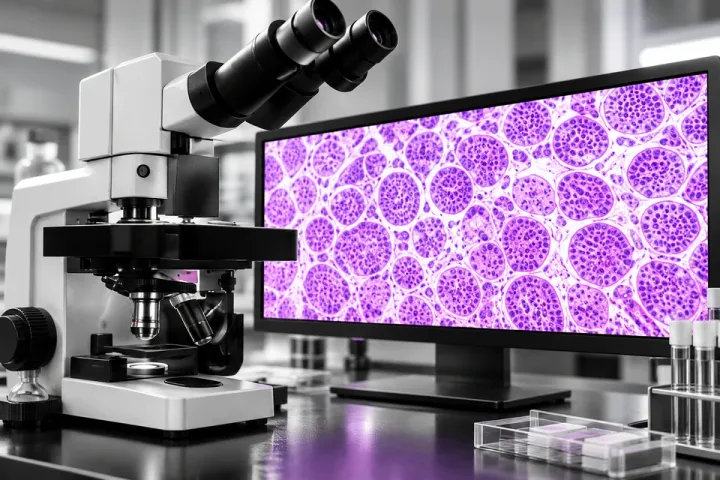
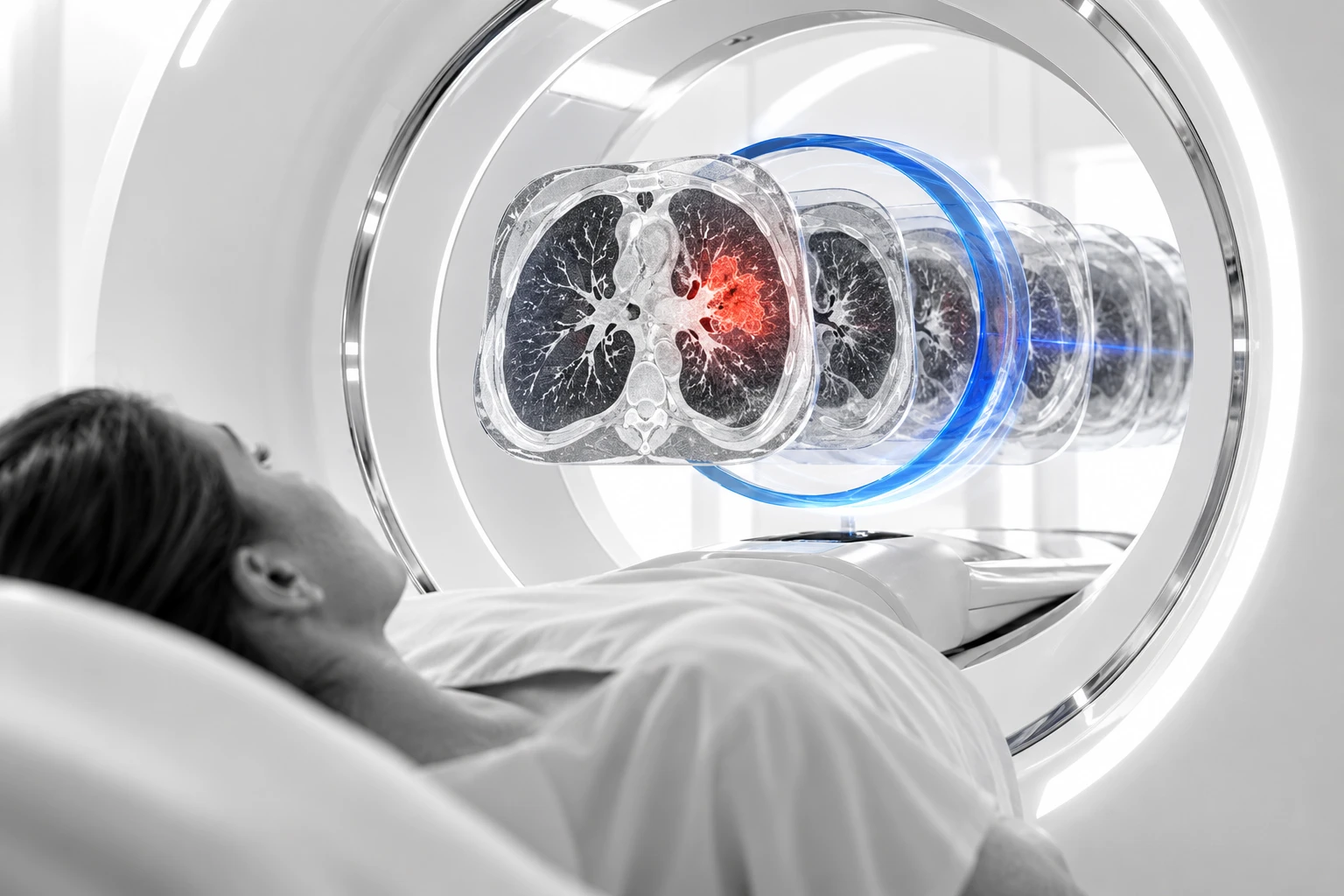
- پاتولوژی درباره ماهیت و ویژگیهای بافتی تومور اطلاعات میدهد؛ تصویربرداری بیشتر درباره محل، اندازه و گستردگی بیماری کمک میکند.
- این دو منبع اطلاعات مکمل هم هستند.
- گاهی یک یافته تصویربرداری نیاز به نمونهبرداری دارد و گاهی نتیجه پاتولوژی باعث میشود تصویربرداری هدفمندتری انجام شود.
- Pathology describes the tumor's tissue nature and features; imaging helps define its location, size, and extent.
- They provide complementary information.
- An imaging finding may require biopsy, and a pathology result may lead to more targeted imaging.
۵) اگر بیومارکر لازم است، زمان مناسب آن را بپرسید
5. Ask about the timing of necessary biomarker tests
- در بعضی سرطانها بیومارکرها میتوانند در انتخاب درمان هدفمند، ایمنیدرمانی یا سایر درمانها مؤثر باشند.
- اما همه تستهای مولکولی برای همه سرطانها لازم نیستند و همه تغییرات پیدا شده نیز «قابل اقدام» نیستند.
- پیش از انجام تست، مشخص کنید هدف آن چیست، چه نوع نمونهای لازم دارد و آیا نتیجه قبل از شروع درمان مورد نیاز است.
- In some cancers, biomarkers help select targeted therapy, immunotherapy, or other treatments.
- Not all molecular tests are needed for every cancer, and not all findings are actionable.
- Before testing, clarify its purpose, the required sample, and whether the result is needed before treatment begins.
۶) هدف درمان را قبل از جزئیات داروها روشن کنید
6. Clarify the treatment goal before drug details
- درمان ممکن است با هدف درمان قطعی، کاهش خطر عود، کنترل طولانیمدت بیماری، کوچککردن تومور پیش از یک درمان دیگر یا کاهش علائم انجام شود.
- وقتی هدف درمان روشن باشد، فهمیدن چرایی جراحی، پرتودرمانی، درمان سیستمیک یا ترکیب آنها بسیار سادهتر میشود.
- Treatment may aim to cure, reduce recurrence risk, control disease long term, shrink a tumor before another intervention, or relieve symptoms.
- A clear goal makes it easier to understand the reasons for surgery, radiation, systemic treatment, or a combination.
۷) گزینهها را بهصورت مقایسهای بشنوید
7. Compare the options
- اگر بیش از یک مسیر قابل قبول وجود دارد، فقط نام گزینهها را نپرسید.
- درباره فایده مورد انتظار، عوارض مهم، مدت درمان، نیاز به بستری یا مراجعه مکرر، اثر بر کار و زندگی روزمره و اینکه چگونه اثربخشی درمان سنجیده میشود سؤال کنید.
- دانستن «چرا این گزینه برای من پیشنهاد شده» معمولاً از حفظکردن نام داروها مهمتر است.
- If more than one reasonable approach exists, ask about expected benefits, important side effects, treatment duration, hospital stays or frequent visits, effects on work and daily life, and how treatment effectiveness will be assessed.
- Understanding why an option is recommended for you usually matters more than memorizing drug names.
۸) نظر دوم همیشه به معنی تغییر پزشک نیست
8. A second opinion does not necessarily mean changing doctors
- در بیماریهای پیچیده، تشخیصهای نادر، زمانی که چند مسیر درمانی استاندارد وجود دارد یا پیش از درمانهای برگشتناپذیر، نظر دوم میتواند ارزشمند باشد.
- هدف ممکن است تأیید تشخیص، بازبینی پاتولوژی، بررسی گزینههای دیگر یا صرفاً افزایش اطمینان از مسیر انتخابشده باشد.
- A second opinion can help with complex disease, rare diagnoses, several standard treatment options, or before irreversible treatments.
- Its purpose may be to confirm the diagnosis, review pathology, explore alternatives, or increase confidence in the chosen approach.
۹) اطلاعات را در یک پوشه یا فایل واحد نگه دارید
9. Keep information in one folder or file
- گزارش پاتولوژی، تصویربرداری، آزمایشها، فهرست داروها، سوابق جراحی، آلرژیها و نام پزشکان را در یک محل نگه دارید.
- ثبت تاریخها و نسخههای گزارشها کمک میکند در مراجعات بعدی یا نظر دوم، اطلاعات ناقص یا متناقض منتقل نشود.
- Keep pathology, imaging, laboratory results, medication lists, surgical history, allergies, and physician names together.
- Recording dates and retaining report copies helps prevent incomplete or contradictory information during later visits or second opinions.
۱۰) برای ویزیت، سؤالهای کوتاه و اولویتبندیشده داشته باشید
10. Bring short, prioritized questions to visits
- حجم اطلاعات در ویزیتهای اول زیاد است.
- سه تا پنج سؤال اصلی را از قبل بنویسید و مهمترینها را اول بپرسید.
- اگر امکان دارد یک همراه مورد اعتماد حضور داشته باشد.
- درخواست توضیح سادهتر یا تکرار یک موضوع کاملاً منطقی است؛ فهم تصمیم درمانی بخشی از مراقبت خوب است.
- Early visits contain a great deal of information.
- Write three to five main questions beforehand and ask the most important first.
- If possible, bring a trusted companion.
- Asking for simpler explanations or repetition is reasonable; understanding the treatment decision is part of good care.
یک برداشت اشتباه رایج: «هرچه درمان زودتر شروع شود، همیشه بهتر است»
A common misconception: starting treatment sooner is always better
- در برخی شرایط شروع سریع درمان واقعاً مهم است، اما در بسیاری از سرطانها چند روز صرف تکمیل پاتولوژی، مرحلهبندی یا تستهای تصمیمساز میتواند برای انتخاب درمان صحیح ضروری باشد.
- زمانبندی مناسب به نوع سرطان، شدت علائم و وضعیت بالینی بستگی دارد و باید با تیم درمان مشخص شود.
- Rapid treatment is genuinely important in some situations.
- In many cancers, however, taking a few days to complete pathology, staging, or decision-making tests may be necessary to choose treatment appropriately.
- Timing depends on cancer type, symptom severity, and clinical condition and should be agreed with the team.
چه زمانی باید زودتر با تیم درمان تماس گرفت؟
When should you contact the team sooner?
- اگر علائم جدید شدید یا رو به تشدید دارید—برای مثال تنگی نفس قابل توجه، خونریزی، تب، درد کنترلنشده، ضعف ناگهانی یا کاهش سطح هوشیاری—منتظر ویزیت برنامهریزیشده نمانید و از مسیر اورژانسی یا تیم درمان راهنمایی بگیرید.
- این فهرست کامل نیست و شدت و زمینه بالینی اهمیت دارد.
- For severe new or worsening symptoms, such as significant breathlessness, bleeding, fever, uncontrolled pain, sudden weakness, or reduced consciousness, do not wait for the scheduled visit.
- Seek guidance through emergency care or your treatment team.
- This list is not exhaustive; severity and clinical context matter.