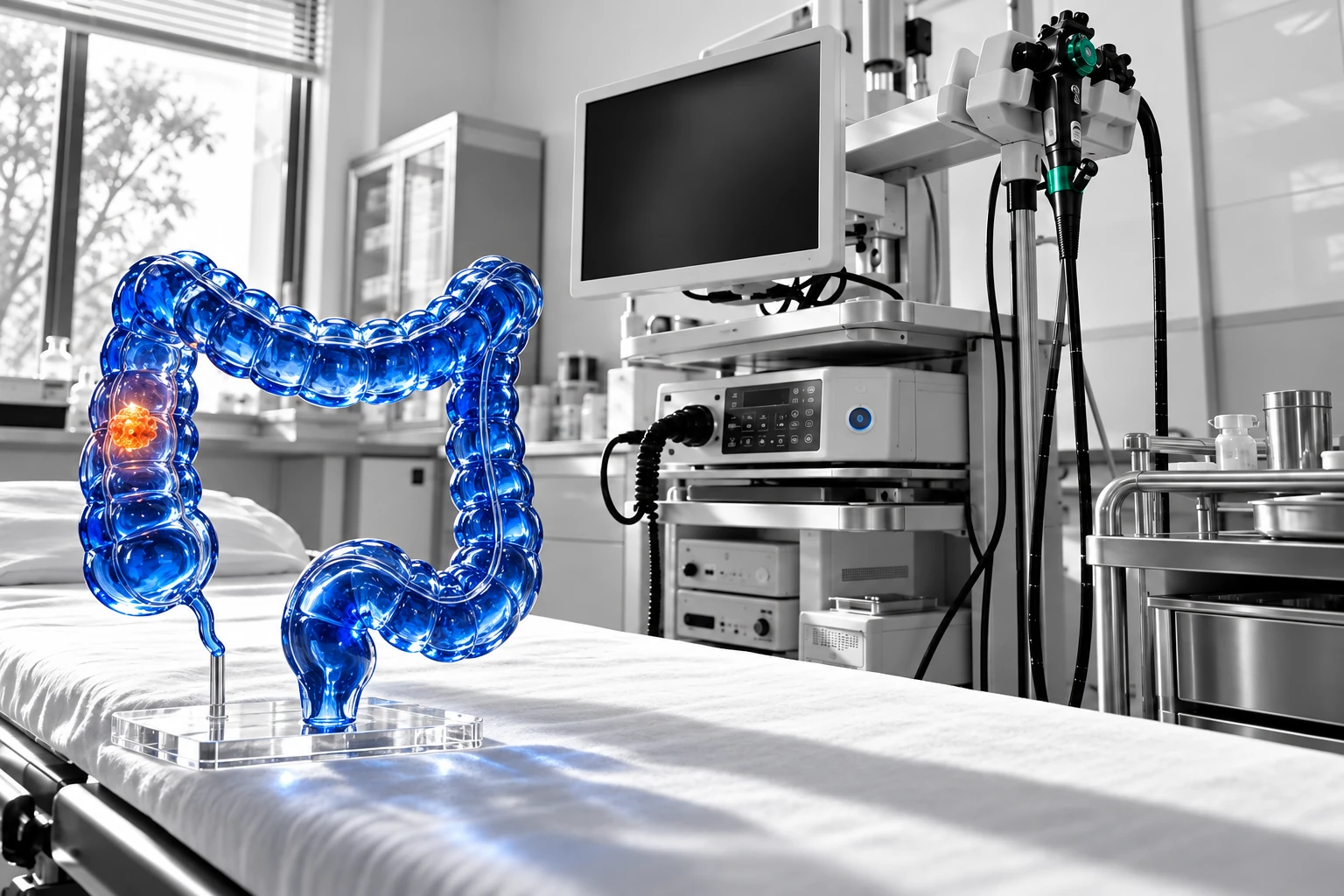
توضیح تکمیلی: سرطان روده بزرگ چیست؟
Understanding colorectal cancer
- این سرطان از کولون یا راستروده آغاز میشود و بسیاری از موارد در گذر زمان از پولیپهای پیشسرطانی ایجاد میشوند.
- محل تومور در کولون یا راستروده میتواند برنامه درمان را تغییر دهد.
- Colorectal cancer starts in the colon or rectum, often developing over time from precancerous polyps.
- Colon and rectal tumors may need different treatment plans.
توضیح تکمیلی: جایگاه و اهمیت
Why it matters
- از سرطانهای شایع ایران و جهان است.
- اهمیت آن در امکان پیشگیری با شناسایی و برداشتن برخی پولیپها و تشخیص زودهنگام است.
- موارد جدید در ۲۰۲۴: ایران ۱۶٬۳۳۸؛ جهان ۲٬۰۴۱٬۰۰۷.
- A common cancer in Iran and worldwide.
- Detecting and removing certain polyps can prevent cancer, while early diagnosis improves care.
- New cases in 2024: Iran 16,338; worldwide 2,041,007.
توضیح تکمیلی: علائم و نشانهها
Signs and symptoms
- خون در مدفوع یا تغییر ماندگار اجابت مزاج
- کمخونی فقر آهن، درد شکم یا کاهش وزن بیدلیل
- خونریزی را بدون بررسی به بواسیر نسبت ندهید؛ بیماری اولیه میتواند بیعلامت باشد.
- Blood in stool or persistent bowel changes
- Iron-deficiency anemia, abdominal pain or unexplained weight loss
- Do not assume bleeding is hemorrhoids without assessment; early disease may be silent.
توضیح تکمیلی: عوامل خطر و علتها
Risk factors and causes
- سن بالاتر، پولیپ قبلی یا سابقه خانوادگی سرطان
- سندرم لینچ یا FAP و التهاب طولانیمدت روده
- دخانیات، الکل، چاقی و کمتحرکی
- Older age, previous polyps or family history of cancer
- Lynch syndrome or FAP and long-standing inflammatory bowel disease
- Tobacco, alcohol, obesity and inactivity
توضیح تکمیلی: روشهای تشخیص
Diagnostic assessment
- کولونوسکوپی با نمونهبرداری پایه تشخیص است.
- CT (سیتیاسکن؛ تصویربرداری با پرتو ایکس برای دیدن اندامهای داخل بدن) قفسه سینه، شکم و لگن برای مرحله بیماری انجام میشود و در سرطان رکتوم MRI (امآرآی؛ تصویربرداری با میدان مغناطیسی و بدون پرتو ایکس) لگن اهمیت ویژه دارد.
- بررسی MMR (سامانهٔ ترمیم خطاهای DNA؛ عملکرد آن در برخی سرطانها برای انتخاب درمان مهم است)/MSI (ناپایداری بخشهایی از DNA؛ نتیجه میتواند در ارزیابی ارثی و انتخاب درمان مؤثر باشد) برای درمان و احتمال زمینه ارثی مهم است و در بیماری پیشرفته تستهای مولکولی بیشتری لازم میشود.
- Colonoscopy with biopsy is central.
- CT (computed tomography, X-ray imaging of structures inside the body) of chest, abdomen and pelvis is used for staging, while pelvic MRI (magnetic resonance imaging, which uses magnetic fields rather than X-rays) is especially important for rectal cancer.
- MMR (the DNA mismatch-repair system, which can guide treatment in some cancers)/MSI (instability in parts of DNA that can inform inherited-risk assessment and treatment) testing informs treatment and inherited-risk assessment, with additional molecular testing (a test that looks for gene or molecular changes; results must be interpreted with the disease type) in advanced disease.
توضیح تکمیلی: مرحلهبندی سرطان
Cancer staging
- TNM (روش توصیف اندازه و گسترش تومور، درگیری غدد لنفاوی و پخششدن به بخشهای دور بدن) بیماری را از مرحله I تا IV بر اساس عمق تومور، غدد لنفاوی و متاستاز طبقهبندی میکند.
- در رکتوم، محل تومور نسبت به اسفنکتر و ساختارهای لگنی نیز در برنامه درمان اهمیت دارد.
- TNM (a system describing tumor size and local spread, lymph-node involvement and distant spread) groups disease from stage I to IV by tumor depth, nodes and metastasis.
- In rectal cancer, location relative to the sphincter and pelvic structures also affects planning.
توضیح تکمیلی: درمان
Treatment
- در کولون موضعی، جراحی درمان اصلی است و در مرحله III و بعضی مرحله IIها شیمیدرمانی کمکی مطرح میشود.
- سرطان رکتوم موضعی پیشرفته اغلب با شیمیدرمانی، پرتودرمانی و جراحی درمان میشود.
- بیماری متاستاتیک از درمانهای سیستمیک مبتنی بر بیومارکرها (نشانهای در بافت یا خون که میتواند دربارهٔ ویژگی بیماری یا انتخاب درمان اطلاعات بدهد) استفاده میکند.
- Localized colon cancer is primarily treated with surgery; adjuvant chemotherapy is standard for stage III and selected stage II disease.
- Locally advanced rectal cancer often uses chemotherapy, radiation and surgery.
- Metastatic therapy is biomarker (a measurable feature in tissue or blood that can help describe disease or guide treatment)-guided.
پیگیری و پیشآگهی
Prognosis and follow-up
- stage و امکان برداشت کامل تومور از مهمترین عوامل پیشآگهی هستند.
- پیگیری پس از درمان ممکن است شامل ویزیت، CEA، تصویربرداری و کولونوسکوپی در زمانبندی مشخص باشد.
- Stage and complete disease removal are major prognostic factors.
- Follow-up may include visits, CEA, imaging and colonoscopy on a defined schedule.
کارهای مهم برای بیمار
Practical next steps
- محل دقیق تومور، stage و MMR/MSI را بدانید.
- در بیماری پیشرفته RAS/BRAF و سایر بیومارکرهای لازم و در سرطان رکتوم MRI لگن و ترتیب درمان قبل از جراحی را پیگیری کنید.
- Know the exact tumor location, stage and MMR/MSI.
- In advanced disease ask about RAS/BRAF and other biomarkers; in rectal cancer ask about pelvic MRI and treatment sequence before surgery.