دکتر محمد غلامشاهیMohammad Gholamshahi, MD
سرطان‌های شایع
DISEASESCOMMON CANCERS

سرطان‌های شایع

Common cancers

سرطان‌های شایع؛ یک نام، بیماری‌های متفاوت

Common cancers are different diseases

  • Cancer begins with uncontrolled cell growth; its site and cell features shape diagnosis and treatment.
  • Breast, lung, colorectal, prostate and stomach cancers are important examples with different symptoms and treatments.
  • سرطان: رشد غیرطبیعی سلول‌ها با امکان تهاجم یا انتشار
  • نوع عضو و ویژگی سلول‌ها: پایهٔ انتخاب مسیر بررسی و درمان
  • تفاوتِ علائم و درمان میان سرطان‌های مختلف

جایگاه و اهمیت

Why these cancers matter

  • Worldwide in 2024, lung cancer led new diagnoses; breast, colorectal and prostate cancers were also among the most common.
  • Women: breast cancer is the most common cancer in Iranian women and a major cancer in women worldwide.
  • Iran in 2024: about 156,000 new cases, with breast, colorectal and stomach cancer leading both sexes combined.
  • Population frequency does not determine one person’s risk or justify the same test for everyone.
  • جهان، برآورد ۲۰۲۴: ریه در رتبهٔ نخستِ موارد جدید
  • پستان، رودهٔ بزرگ و پروستات: در میان شایع‌ترین سرطان‌های جهان
  • پستان: شایع‌ترین سرطان زنان در ایران
  • ایران، برآورد ۲۰۲۴: حدود ۱۵۶ هزار مورد جدید
  • سه رتبهٔ اولِ مجموع دو جنس در ایران: پستان، رودهٔ بزرگ و معده

کدام تغییرها نیاز به بررسی دارند؟

Changes worth assessing

  • Breast: a new lump, skin or nipple retraction, or spontaneous bloody discharge.
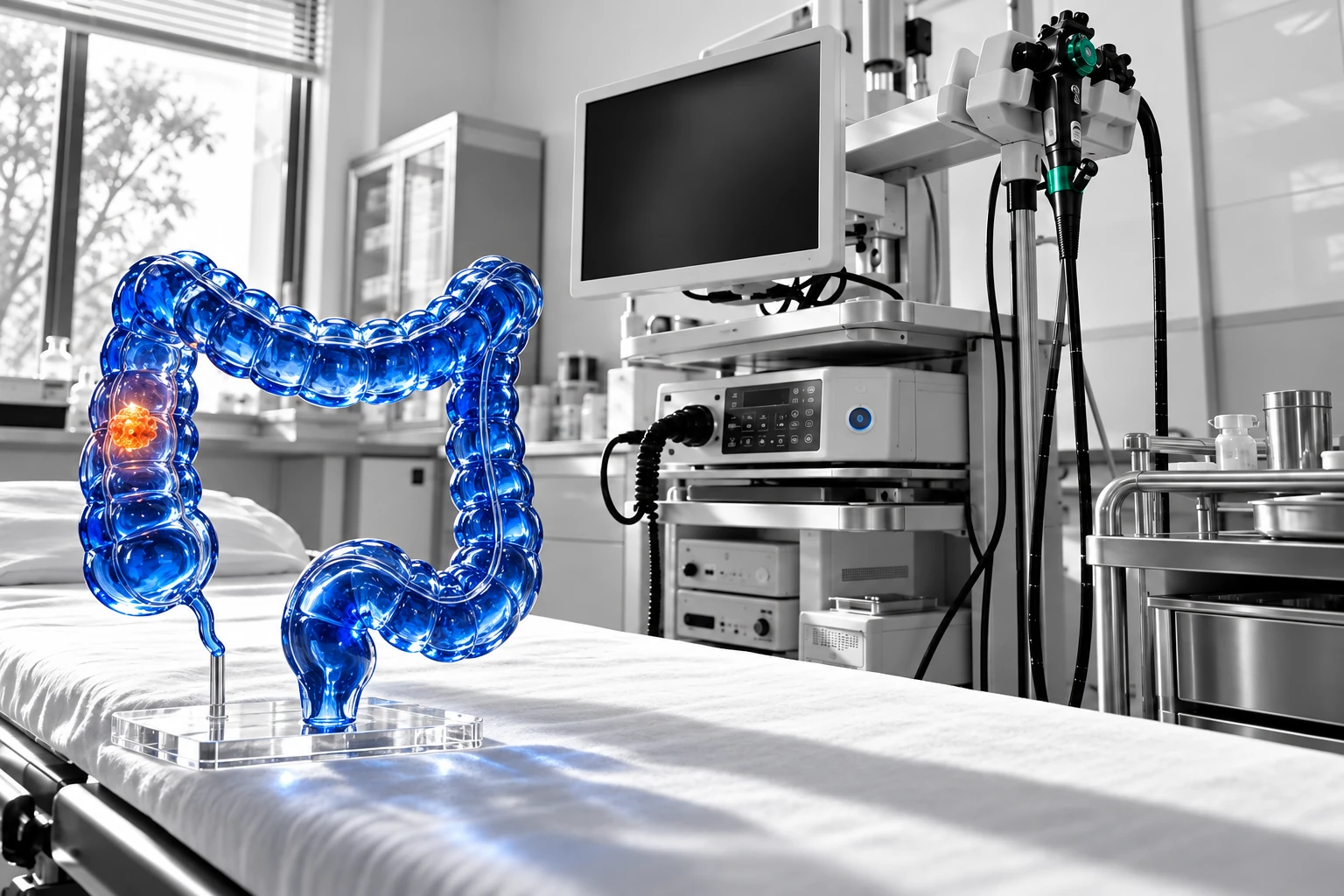
  • Bowel: blood in stool, a persistent bowel change or unexplained iron deficiency anemia.
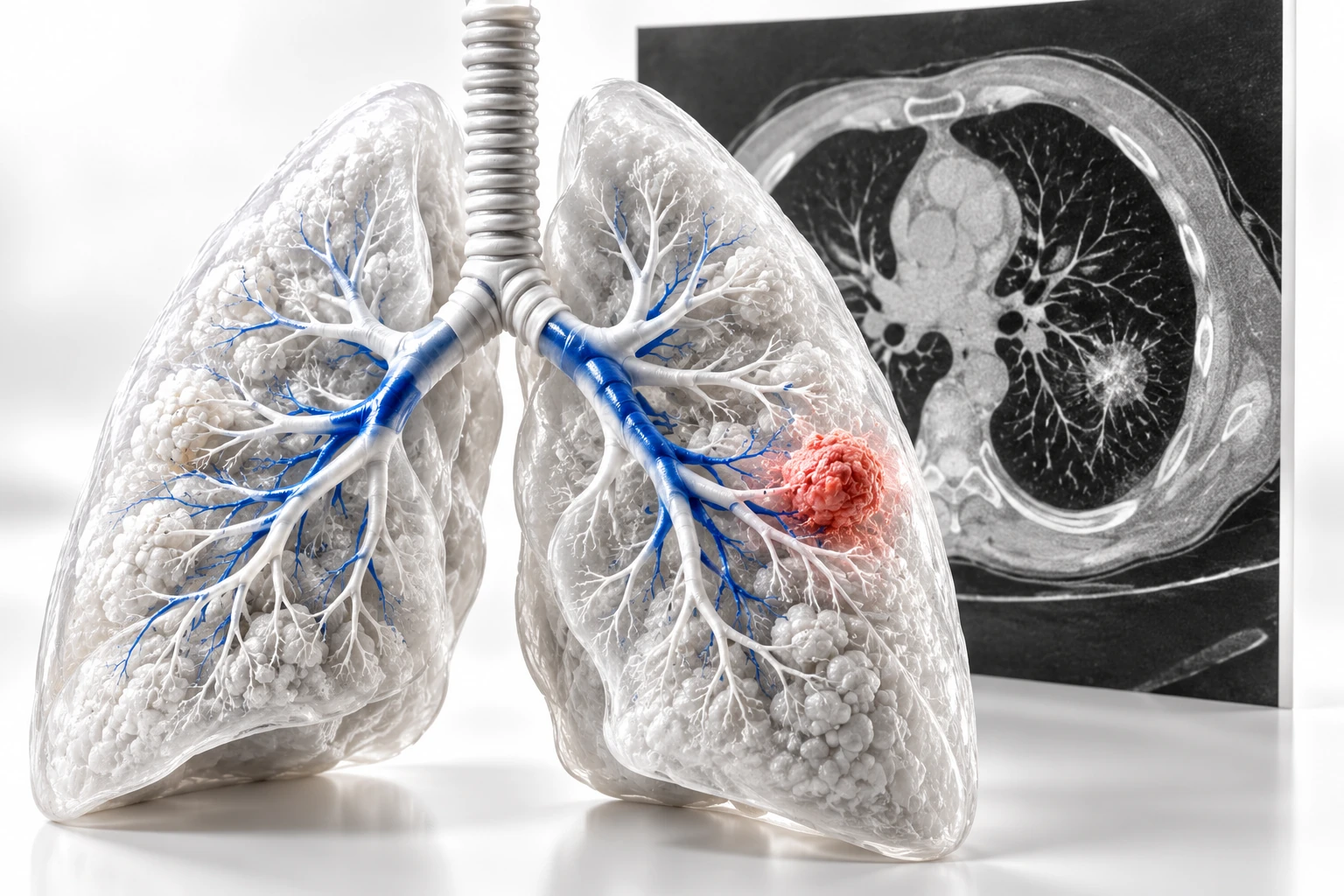
  • Lung: a persistent or changed cough, coughing blood or new breathlessness.
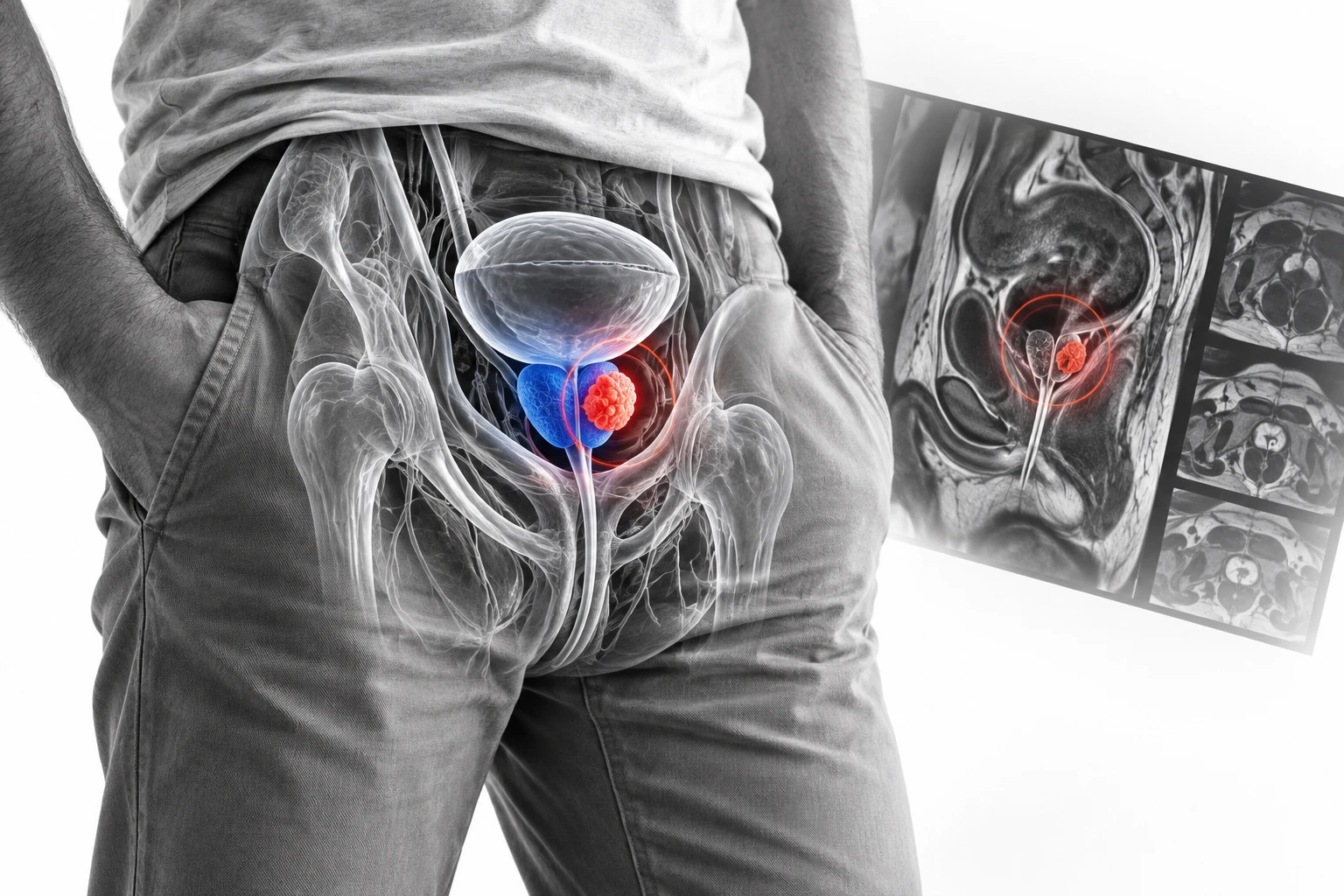
  • Prostate: early cancer can be silent; urinary symptoms are often benign but still need assessment.
  • Stomach: difficulty swallowing, persistent vomiting, weight loss or digestive bleeding.
  • پستان: توده یا تغییر تازهٔ پوست و نوک پستان
  • روده: خون در مدفوع یا تغییر ماندگارِ دفع
  • ریه: سرفهٔ ماندگار یا خون در خلط
  • پروستات: علائم ادراری ماندگار یا یافتهٔ نیازمند بررسی
  • کاهش وزن بی‌دلیل یا علامت رو به تشدید
  • احتمالِ علت خوش‌خیم برای بسیاری از این نشانه‌ها

قدم بعدی چیست؟

What should you do next?

  • One symptom does not prove cancer; examination and tests should match the problem.
  • Heavy bleeding, severe breathlessness or impaired consciousness needs urgent assessment.
  • ارزیابی علامت و سابقه توسط پزشک
  • آزمایش یا تصویربرداریِ متناسب با مسئله
  • نمونه‌برداری در بسیاری از موارد
  • بررسی گسترش، ویژگی سلول‌ها و گزینه‌های درمان
  • برنامهٔ غربالگریِ متناسب با سن و خطر برای فردِ بدون علامت
جزئیات بیشترFurther detail

توضیح تکمیلی: سرطان‌های شایع؛ یک نام، بیماری‌های متفاوت

Common cancers are different diseases

  • سرطان از رشد کنترل‌نشدهٔ بعضی سلول‌ها آغاز می‌شود؛ نوع عضو و ویژگی سلول‌ها مسیر بررسی و درمان را مشخص می‌کنند.
  • پستان، ریه، رودهٔ بزرگ، پروستات و معده از سرطان‌های مهم‌اند؛ علامت یا درمان یکسانی ندارند.
  • Cancer begins with uncontrolled cell growth; its site and cell features shape diagnosis and treatment.
  • Breast, lung, colorectal, prostate and stomach cancers are important examples with different symptoms and treatments.

توضیح تکمیلی: جایگاه و اهمیت

Why these cancers matter

  • جهان، برآورد ۲۰۲۴: ریه از نظر موارد جدید در رتبهٔ اول است؛ پستان، رودهٔ بزرگ و پروستات نیز در میان شایع‌ترین‌ها هستند.
  • زنان: سرطان پستان شایع‌ترین سرطان زنان در ایران است و از مهم‌ترین سرطان‌های زنان در جهان محسوب می‌شود.
  • ایران، برآورد ۲۰۲۴: حدود ۱۵۶ هزار مورد جدید؛ پستان، رودهٔ بزرگ و معده سه رتبهٔ اولِ مجموع دو جنس را دارند.
  • شایع‌بودن در جمعیت، احتمال شخصیِ ابتلا یا نیاز همه به یک تست را تعیین نمی‌کند.
  • Worldwide in 2024, lung cancer led new diagnoses; breast, colorectal and prostate cancers were also among the most common.
  • Women: breast cancer is the most common cancer in Iranian women and a major cancer in women worldwide.
  • Iran in 2024: about 156,000 new cases, with breast, colorectal and stomach cancer leading both sexes combined.
  • Population frequency does not determine one person’s risk or justify the same test for everyone.

توضیح تکمیلی: کدام تغییرها نیاز به بررسی دارند؟

Changes worth assessing

  • پستان: تودهٔ تازه، تغییر پوست یا فرورفتگی نوک پستان، ترشح خونی خودبه‌خودی
  • روده: خون در مدفوع، تغییر ماندگار دفع یا کم‌خونی فقر آهنِ بی‌علت
  • ریه: سرفهٔ ماندگار یا تغییرکرده، خلط خونی یا تنگی نفس تازه
  • پروستات: بیماری اولیه ممکن است بی‌علامت باشد؛ مشکلات ادراری اغلب علت خوش‌خیم دارند، اما باید بررسی شوند.
  • معده: دشواری بلع، استفراغ ماندگار، کاهش وزن یا خونریزی گوارشی
  • Breast: a new lump, skin or nipple retraction, or spontaneous bloody discharge.
  • Bowel: blood in stool, a persistent bowel change or unexplained iron deficiency anemia.
  • Lung: a persistent or changed cough, coughing blood or new breathlessness.
  • Prostate: early cancer can be silent; urinary symptoms are often benign but still need assessment.
  • Stomach: difficulty swallowing, persistent vomiting, weight loss or digestive bleeding.

توضیح تکمیلی: قدم بعدی چیست؟

What should you do next?

  • یک علامت به‌تنهایی سرطان را ثابت نمی‌کند؛ معاینه و بررسیِ متناسب با محل علامت لازم است.
  • خونریزی شدید، تنگی نفس شدید یا افت هوشیاری نیاز به ارزیابی فوری دارد.
  • One symptom does not prove cancer; examination and tests should match the problem.
  • Heavy bleeding, severe breathlessness or impaired consciousness needs urgent assessment.

عوامل خطر و پیشگیری

Risk factors and prevention

  • دخانیات با سرطان‌های ریه و چندین عضو دیگر ارتباط دارد؛ ترک در هر سن سودمند است.
  • سن بالاتر، بعضی سابقه‌های خانوادگی، وزن بالا، الکل و کم‌تحرکی می‌توانند خطر را افزایش دهند.
  • عفونت‌هایی مانند HPV، هپاتیت و میکروب معده در برخی سرطان‌ها مهم‌اند؛ بررسی یا درمان برای همه یکسان نیست.
  • غربالگریِ مؤثر برای بعضی سرطان‌ها وجود دارد، نه برای همه؛ برنامه باید بر اساس سن و خطر تنظیم شود.
  • Tobacco affects lung cancer and several other cancers; quitting helps at any age.
  • Older age, some family histories, excess weight, alcohol and inactivity can increase risk.
  • HPV, hepatitis and Helicobacter pylori matter in selected cancers; testing and treatment are individualized.
  • Effective screening exists for some cancers, not every cancer; age and risk determine the plan.

تشخیص و مرحله‌بندی

Diagnosis and staging

  • شروع با شرح حال و معاینه؛ سپس آزمایش، تصویربرداری یا آندوسکوپیِ مرتبط با مشکل
  • تأیید بسیاری از سرطان‌ها با نمونه‌برداری و بررسی بافت در آزمایشگاه است.
  • مرحله، محل و گستردگی بیماری را بیان می‌کند؛ با درجهٔ ظاهر سلول‌ها یا پیش‌بینی دقیق طول عمر یکسان نیست.
  • بررسی‌های زیستیِ بافت، مثل گیرنده‌های هورمونی پستان، گاهی انتخاب درمان را تغییر می‌دهند.
  • Start with history and examination, followed by tests, imaging or endoscopy suited to the concern.
  • Many cancers are confirmed by a biopsy examined in a pathology laboratory.
  • Stage describes cancer extent; it differs from cell grade and is not an exact lifespan prediction.
  • Tissue features, such as breast hormone receptors, can change treatment choices.

درمان چگونه انتخاب می‌شود؟

How is treatment chosen?

  • نوع سرطان، مرحله، ویژگی بافت و سلامت و ترجیح فرد، همگی در تصمیم نقش دارند.
  • جراحی و پرتودرمانی درمان‌های موضعی‌اند؛ داروها می‌توانند در سراسر بدن اثر کنند.
  • هدف می‌تواند درمان قطعی، کنترل طولانی‌مدت یا کاهش علائم باشد؛ برنامهٔ فرد دیگر را نباید کپی کرد.
  • کنترل درد، تغذیه، فعالیت و حمایت روانی می‌توانند از ابتدای درمان همراه آن باشند.
  • Cancer type, stage, tissue features, health and personal preferences all matter.
  • Surgery and radiotherapy are local treatments; medicines may work throughout the body.
  • Goals may be cure, durable control or symptom relief; another person’s regimen should not be copied.
  • Pain control, nutrition, activity and emotional support can begin alongside cancer treatment.
سؤال‌های رایجCommon questions

شایع‌ترین سرطان یعنی خطر من هم زیاد است؟Does common mean high risk for me?

نه لزوماً. رتبهٔ یک سرطان، وضعیت جمعیت را نشان می‌دهد. سن، جنس، سابقهٔ خانوادگی و مواجهه‌ها خطر فردی را تغییر می‌دهند؛ برنامهٔ پیشگیری و غربالگری باید بر همین اساس تنظیم شود.

Not necessarily. Rankings describe populations. Age, sex, family history and exposures modify individual risk, so prevention and screening should be tailored.

بدون علامت هم سرطان ممکن است؟Can cancer be present without symptoms?

بله؛ بعضی سرطان‌ها در مراحل اولیه علامت واضح ندارند. برای همین، برخی بررسی‌های غربالگری در سن و خطر مشخص توصیه می‌شوند. بااین‌حال، انجام آزمایش‌های گسترده برای همه مفید نیست و نتیجهٔ طبیعیِ قبلی هم مجوز نادیده‌گرفتن علامت تازه نیست.

Yes. Some early cancers cause no clear symptoms, which is why selected screening is useful at defined ages and risks. Broad testing for everyone is not beneficial, and a previous normal test should not dismiss a new symptom.

برای رد همهٔ سرطان‌ها یک آزمایش وجود دارد؟Can one test rule out every cancer?

خیر. شمارش خون، مارکرهای توموری یا یک عکس نمی‌توانند همهٔ سرطان‌ها را رد کنند. نوع علامت و سابقه تعیین می‌کند چه بررسی‌ای لازم است؛ تست مثبت یا غیرطبیعی هم اغلب به بررسی تکمیلی نیاز دارد.

No. A blood count, tumor markers or one scan cannot rule out every cancer. Symptoms and history guide testing; abnormal results often need further evaluation.

تشخیص سرطان همیشه با نمونه‌برداری است؟Is a biopsy always needed?

در بسیاری از سرطان‌ها، نمونه‌برداری برای تشخیص دقیق و انتخاب درمان لازم است. اما استثناهایی وجود دارد و بعضی سرطان‌های خون با بررسی خون و مغز استخوان شناخته می‌شوند. روش و محل نمونه‌برداری را تیم درمان بر اساس شرایط تعیین می‌کند.

Biopsy is needed for many cancers to establish the diagnosis and guide treatment. There are exceptions; some blood cancers are identified through blood and marrow assessment. The team chooses the appropriate sampling method.

زود پیدا شدن همیشه یعنی درمان ساده و قطعی؟Does early detection guarantee cure?

پیداشدن زودهنگام در بسیاری از سرطان‌ها شانس درمان موفق را بیشتر می‌کند، اما تضمین نیست. نوع سلول‌ها و ویژگی زیستی بیماری هم مهم‌اند. پس از تشخیص، برنامهٔ مرحله‌بندی و درمان را بدون تأخیرِ بی‌دلیل با تیم مشخص کنید.

Earlier detection improves treatment prospects for many cancers but is not a guarantee. Cell type and biology also matter. After diagnosis, agree on appropriate staging and treatment without unnecessary delay.

مشاوره و نوبت‌دهیAppointments