دکتر محمد غلامشاهیMohammad Gholamshahi, MD
سارکوم‌ها

سارکوم‌ها

Sarcomas

سارکوم‌ها چیست؟

Understanding sarcomas

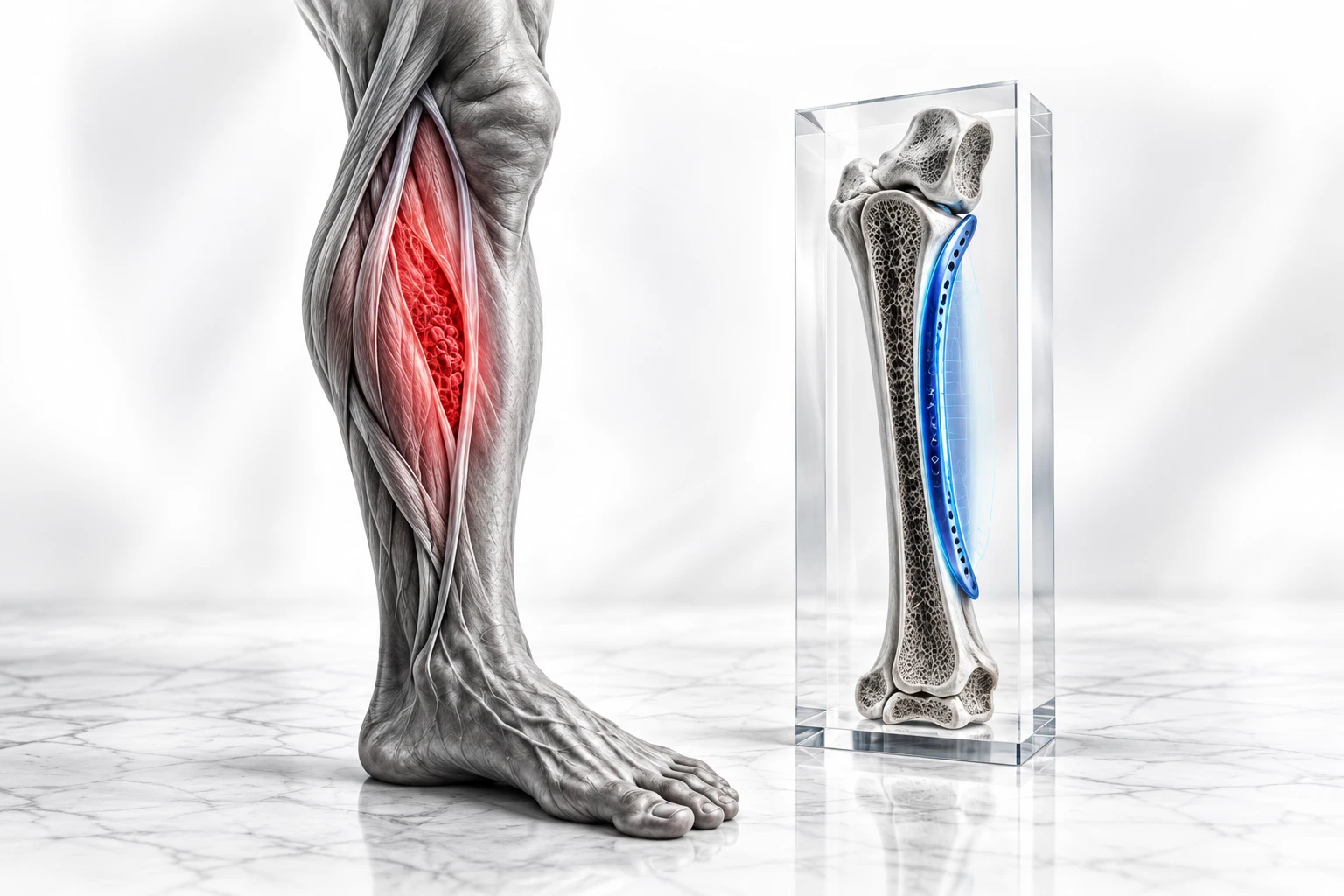
  • Sarcomas are cancers of bone or soft tissues such as muscle, fat and connective tissue.
  • There are many subtypes; biopsy should be planned with the specialist team.
  • سرطان‌های استخوان یا بافت‌های نرم
  • زیرگروه‌های متعدد با درمان‌های متفاوت

جایگاه و اهمیت

Why it matters

  • Sarcomas are rare and highly diverse.
  • Experienced multidisciplinary assessment and biopsy planning before surgery are especially important.
  • سرطان‌های نادر و بسیار متنوع
  • اهمیتِ تیم باتجربه و برنامه‌ریزی نمونه‌برداری

علائم و نشانه‌ها

Signs and symptoms

  • A growing lump, especially deep in tissue
  • Persistent bone pain or swelling
  • A painless lump can matter; do not arrange removal without appropriate assessment.
  • تودهٔ رو به رشد
  • درد استخوانی ماندگار
  • تورم یا محدودیت حرکت
  • شکستگی غیرمنتظره در برخی موارد

عوامل خطر و علت‌ها

Risk factors and causes

  • Most sarcomas have no known cause.
  • Previous radiation or inherited syndromes
  • In certain subtypes: chronic lymphedema or specific exposures
  • پرتودرمانی قبلی
  • برخی زمینه‌های ارثی
  • نبود عامل خطر روشن در بیشتر موارد

روش‌های تشخیص

Diagnostic assessment

  1. MRI (magnetic resonance imaging, which uses magnetic fields rather than X-rays) is commonly used for limb masses and CT (computed tomography, X-ray imaging of structures inside the body) for other sites as appropriate.
  2. Biopsy should be planned with the surgical team so the track does not compromise later surgery.
  3. Expert sarcoma pathology review is valuable.
  • تصویربرداری متناسب با محل توده
  • نمونه‌برداریِ برنامه‌ریزی‌شده در مرکز آشنا با سارکوم
  • بررسی تخصصی بافت و آزمایش‌های لازم

مرحله‌بندی سرطان

Cancer staging

  • Staging varies by anatomic site and considers size, grade, depth/location, nodes and metastasis.
  • Grade is particularly important for recurrence and metastatic risk.
  • اندازه و گسترش تومور اولیه
  • درگیری غدد لنفاوی
  • انتشار به بخش‌های دور بدن
  • ویژگی‌های بافتی یا سلولیِ مؤثر بر درمان

درمان

Treatment

  • Surgery with appropriate margins is central for many localized sarcomas, with radiation before or after surgery for local control.
  • Chemotherapy or targeted therapy is used in selected subtypes and stages; there is no single regimen for all (acute lymphoblastic leukemia, a fast-growing cancer of immature lymphoid cells) sarcomas.
  • جراحی تخصصی با حفظ عملکرد تا حد امکان
  • پرتودرمانی در موارد مناسب
  • شیمی‌درمانی یا داروی هدفمند بر اساس زیرگروه
جزئیات بیشترFurther detail

توضیح تکمیلی: سارکوم‌ها چیست؟

Understanding sarcomas

  • سارکوم گروهی از سرطان‌های استخوان یا بافت نرم مانند عضله، چربی و بافت همبند است.
  • زیرنوع‌های فراوانی دارد و نمونه‌برداری باید با برنامه‌ریزی تیم متخصص انجام شود.
  • Sarcomas are cancers of bone or soft tissues such as muscle, fat and connective tissue.
  • There are many subtypes; biopsy should be planned with the specialist team.

توضیح تکمیلی: جایگاه و اهمیت

Why it matters

  • سارکوم‌ها نادر و بسیار متنوع‌اند.
  • ارزیابی در تیم باتجربه و برنامه‌ریزی نمونه‌برداری پیش از جراحی اهمیت ویژه دارد.
  • Sarcomas are rare and highly diverse.
  • Experienced multidisciplinary assessment and biopsy planning before surgery are especially important.

توضیح تکمیلی: علائم و نشانه‌ها

Signs and symptoms

  • توده در حال بزرگ شدن، به‌ویژه توده عمقی
  • درد یا تورم ماندگار استخوان
  • توده بدون درد هم مهم است؛ برای برداشتن آن خودسرانه اقدام نکنید.
  • A growing lump, especially deep in tissue
  • Persistent bone pain or swelling
  • A painless lump can matter; do not arrange removal without appropriate assessment.

توضیح تکمیلی: عوامل خطر و علت‌ها

Risk factors and causes

  • بیشتر سارکوم‌ها علت شناخته‌شده ندارند.
  • پرتودرمانی قبلی یا برخی سندرم‌های ارثی
  • در بعضی زیرنوع‌ها: لنف‌ادم مزمن یا مواجهه‌های مشخص
  • Most sarcomas have no known cause.
  • Previous radiation or inherited syndromes
  • In certain subtypes: chronic lymphedema or specific exposures

توضیح تکمیلی: روش‌های تشخیص

Diagnostic assessment

  1. MRI (ام‌آر‌آی؛ تصویربرداری با میدان مغناطیسی و بدون پرتو ایکس) برای توده اندام و CT (سی‌تی‌اسکن؛ تصویربرداری با پرتو ایکس برای دیدن اندام‌های داخل بدن) برای نواحی دیگر بر اساس محل استفاده می‌شود.
  2. نمونه‌برداری باید با تیم جراحی برنامه‌ریزی شود تا مسیر نمونه‌برداری جراحی آینده را مختل نکند.
  3. بازبینی پاتولوژی توسط تیم با تجربه سارکوم ارزشمند است.
  1. MRI (magnetic resonance imaging, which uses magnetic fields rather than X-rays) is commonly used for limb masses and CT (computed tomography, X-ray imaging of structures inside the body) for other sites as appropriate.
  2. Biopsy should be planned with the surgical team so the track does not compromise later surgery.
  3. Expert sarcoma pathology review is valuable.

توضیح تکمیلی: مرحله‌بندی سرطان

Cancer staging

  • مرحله بیماری بر اساس محل تومور متفاوت است و اندازه، درجه بافتی، عمق یا محل، غدد لنفاوی و متاستاز را در نظر می‌گیرد.
  • درجه بافتی در سارکوم‌ها برای خطر عود و متاستاز اهمیت ویژه‌ای دارد.
  • Staging varies by anatomic site and considers size, grade, depth/location, nodes and metastasis.
  • Grade is particularly important for recurrence and metastatic risk.

توضیح تکمیلی: درمان

Treatment

  • جراحی با حاشیه مناسب درمان اصلی بسیاری از سارکوم‌های موضعی است و پرتودرمانی قبل یا بعد از عمل برای کنترل موضعی استفاده می‌شود.
  • شیمی‌درمانی یا درمان هدفمند در بعضی زیرگروه‌ها و مراحل استفاده می‌شود؛ یک رژیم برای همه سارکوم‌ها وجود ندارد.
  • Surgery with appropriate margins is central for many localized sarcomas, with radiation before or after surgery for local control.
  • Chemotherapy or targeted therapy is used in selected subtypes and stages; there is no single regimen for all (acute lymphoblastic leukemia, a fast-growing cancer of immature lymphoid cells) sarcomas.

پیگیری و پیش‌آگهی

Prognosis and follow-up

  • پیش‌آگهی به subtype، grade، اندازه، محل، امکان برداشت کامل و متاستاز بستگی دارد.
  • ریه محل شایع متاستاز برای بسیاری از سارکوم‌هاست و پیگیری معمولاً شامل تصویربرداری قفسه سینه و محل اولیه است.
  • Prognosis depends on subtype, grade, size, location, complete resection and metastasis.
  • The lungs are a common metastatic site for many sarcomas, so follow-up often includes chest and local-site imaging.

کارهای مهم برای بیمار

Practical next steps

  • پیش از biopsy یا جراحی، در صورت امکان پرونده در تیم تخصصی سارکوم مرور شود.
  • نام دقیق subtype، grade، حاشیه جراحی و برنامه پرتودرمانی یا درمان سیستمیک را بپرسید.
  • Whenever possible, have the case reviewed by a sarcoma specialist team before biopsy or surgery.
  • Ask for the exact subtype, grade, planned surgical margins and whether radiation or systemic therapy is needed.
سوال‌های رایجCommon questions

هر تودهٔ بافت نرم را می‌توان ساده برداشت؟Can any soft-tissue lump simply be removed?

تودهٔ درحال رشد، عمقی یا مشکوک بهتر است پیش از برداشت، در مرکز آشنا با سارکوم بررسی و نمونه‌برداریِ برنامه‌ریزی‌شده شود.

A growing, deep or suspicious mass should be assessed before removal, with biopsy planned by a sarcoma-experienced team.

سارکوم استخوان و بافت نرم یک درمان دارند؟Do bone and soft-tissue sarcomas share one treatment?

خیر؛ زیرنوع پاتولوژی، محل و مرحله بسیار مهم‌اند و حساسیت به دارو یا پرتودرمانی یکسان نیست.

No. Histological subtype, site and stage matter; sensitivity to medicines and radiation varies.

نظر دوم پاتولوژی ارزش دارد؟Can a pathology second opinion help?

در این گروه نادر و متنوع، بازبینی تخصصی پاتولوژی می‌تواند زیرنوع و برنامهٔ درمان را روشن‌تر کند.

In this rare, diverse group, specialist pathology review can clarify the subtype and treatment plan.

پیش از مراجعه به مرکز تخصصی نمونه‌برداری کنم؟Should I arrange a biopsy before a specialist visit?

برای تودهٔ مشکوک، مسیر نمونه‌برداری بهتر است با تیمی که جراحی نهایی را انجام می‌دهد هماهنگ شود.

For a suspicious mass, biopsy planning is best coordinated with the team responsible for definitive surgery.

مشاوره و نوبت‌دهیAppointments