
توضیح تکمیلی: نوتروپنی چیست؟
Understanding neutropenia
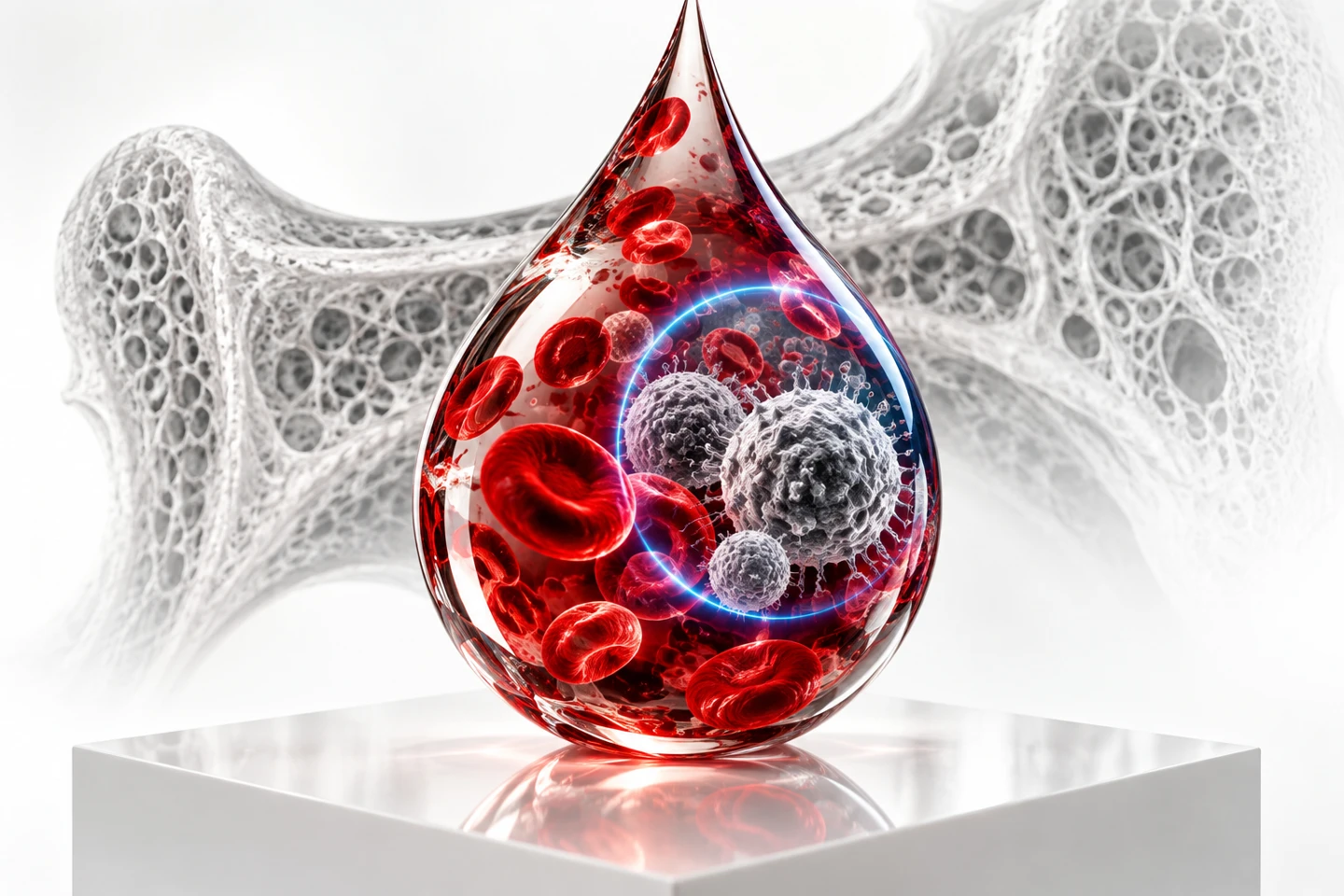
- نوتروپنی یعنی کاهش نوتروفیلها، بخشی از گلبولهای سفید که در دفاع در برابر عفونت نقش دارند.
- شدت و مدت کاهش، علت و وضعیت بیمار خطر را تعیین میکنند.
- Neutropenia is a low level of neutrophils, white cells that defend against infection.
- Severity, duration, cause and the person’s condition determine risk.
توضیح تکمیلی: جایگاه و اهمیت
Why it matters
- کاهش نوتروفیل یک یافته با علتهای متفاوت است.
- اهمیت آن بیشتر به شدت کاهش، مدت آن و وضعیت بیمار بستگی دارد؛ تب هنگام درمان سرطان باید فوری بررسی شود.
- A low neutrophil count has several causes.
- Severity, duration and the person’s condition determine its significance; fever during cancer treatment needs urgent assessment.
توضیح تکمیلی: علائم و نشانهها
Signs and symptoms
- کاهش نوتروفیل ممکن است خود علامتی نداشته باشد.
- تب، لرز، گلودرد یا زخم دهان میتوانند نشانه عفونت باشند.
- در شیمیدرمانی یا نوتروپنی شناختهشده، تب را فوری با تیم درمان مطرح کنید.
- A low neutrophil count may cause no symptoms itself.
- Fever, chills, sore throat or mouth sores may indicate infection.
- During chemotherapy or known neutropenia, report fever to the care team immediately.
توضیح تکمیلی: عوامل خطر و علتها
Risk factors and causes
- شیمیدرمانی یا برخی داروها
- عفونت، خودایمنی، کمبود تغذیهای یا بیماری مغز استخوان
- شمارش پایین در بعضی زمینههای ژنتیکی لزوما با عفونت بیشتر همراه نیست.
- Chemotherapy or certain medicines
- Infection, autoimmunity, nutritional deficiency or marrow disease
- Lower counts in some genetic backgrounds do not necessarily mean more infections.
توضیح تکمیلی: روشهای تشخیص
Diagnostic assessment
- CBC (شمارش کامل خون؛ تعداد و اندازهٔ سلولهای خونی و پلاکتها را میسنجد) با شمارش افتراقی و تعداد مطلق نوتروفیل، روند قبلی، داروها و علائم عفونت بررسی میشوند.
- در موارد ماندگار یا همراه اختلال سایر سلولها، بررسی تکمیلی یا مغز استخوان مطرح میشود.
- CBC (a complete blood count that measures blood cells and platelets) with differential and absolute neutrophil count, previous results, medicines and infection signs are reviewed.
- Persistent neutropenia or other abnormal cell lines may require further tests or marrow assessment.
توضیح تکمیلی: درجهٔ کاهش نوتروفیل و خطر عفونت
Neutrophil level and infection risk
- نوتروپنی با شمارش مطلق نوتروفیل (ANC) سنجیده میشود.
- بهطور معمول، ۱۰۰۰ تا ۱۵۰۰ در هر میکرولیتر خفیف، ۵۰۰ تا ۱۰۰۰ متوسط و کمتر از ۵۰۰ شدید شمرده میشود؛ مدت کاهش، علت و وضعیت فرد هم خطر عفونت را تغییر میدهند.
- Neutropenia is assessed using the absolute neutrophil count (ANC).
- Common adult ranges call 1,000–1,500 cells per microlitre mild, 500–1,000 moderate and below 500 severe; duration, cause and the person’s condition also affect infection risk.
توضیح تکمیلی: درمان
Treatment
- درمان به علت بستگی دارد؛ تغییر داروی مشکوک باید فقط با نظر پزشک باشد.
- تب در فرد مبتلا به نوتروپنی نیازمند ارزیابی فوری پزشکی است و ممکن است آنتیبیوتیک فوری لازم شود.
- هنگام شیمیدرمانی، تب ۳۸ درجه یا بیشتر را حتی اگر شمارش نوتروفیل را نمیدانید، فوراً با تیم درمان مطرح کنید.
- فاکتور رشد برای همه لازم نیست.
- Treatment depends on the cause; suspected medicines should be changed only with medical advice.
- Fever in someone with neutropenia requires immediate medical assessment and may need urgent antibiotics.
- During chemotherapy, report a temperature of 38°C or higher immediately, even if you do not know your neutrophil count.
- Growth factors are not needed for everyone.
توضیح بیشتر: نوتروپنی چیست؟
More about what is neutropenia?
- نوتروفیلها بخشی از دفاع بدن در برابر عفونت هستند.
- شیمیدرمانی و بعضی بیماریهای خون میتوانند تعداد آنها را کاهش دهند و خطر عفونت را بیشتر کنند.
- Neutrophils are part of the body’s defense against infection.
- Chemotherapy and some blood disorders can lower their number and increase infection risk.
تب را جدی بگیرید
Take fever seriously
- هنگام شیمیدرمانی یا نوتروپنی شناختهشده، تب ۳۸ درجه یا بیشتر را فوراً با تیم درمان مطرح کنید؛ برای دانستن نتیجهٔ آزمایش یا ویزیت بعدی صبر نکنید.
- پیش از مصرف تببر با تیم درمان تماس بگیرید، چون ممکن است تب را پنهان کند.
- During chemotherapy or with known neutropenia, report a temperature of 38°C or higher immediately.
- Do not wait for a blood-count result or your next appointment.
- Contact the team before taking fever medicine because it can hide a fever.
کاهش خطر عفونت
Reducing infection risk
- شستن دستها، توجه به زخمها و کاتترها و گزارش سریع لرز، سرفه جدید، درد ادرار یا زخم دهان مهم است.
- زمان پایینترین شمارش نوتروفیل بسته به رژیم درمانی متفاوت است.
- Hand hygiene, attention to wounds and catheters, and prompt reporting of chills, new cough, painful urination or mouth sores are important.
- The timing of the lowest neutrophil count varies by treatment regimen.
تعداد مطلق نوتروفیل
The absolute neutrophil count
- برای ارزیابی دفاع در برابر عفونت، تعداد مطلق نوتروفیل یا ANC (تعداد مطلق نوتروفیلها؛ نوعی گلبول سفید که در مقابله با عفونت نقش دارد) از تعداد کل گلبول سفید دقیقتر است.
- خطر عفونت به عمق و مدت افت، آسیب مخاط و نوع درمان نیز وابسته است.
- The absolute neutrophil count, or ANC (the absolute neutrophil count, measuring white cells that help fight infection), is more informative than total white-cell count for this part of infection defense.
- Risk also depends on duration, mucosal injury and treatment type.
تفاوت پیشگیری و درمان عفونت
Prevention differs from treating infection
- داروهای محرک تولید گلبول سفید یا داروهای ضدعفونت برای شرایط مشخص انتخاب میشوند.
- مصرف پیشگیرانه جای ارزیابی تب یا علائم عفونت را نمیگیرد و برنامهٔ آن باید با رژیم درمان هماهنگ باشد.
- White-cell growth factors and anti-infective medicines are selected for specific settings.
- Preventive treatment does not replace assessment of fever or infection symptoms and must match the cancer regimen.