توضیح تکمیلی: لوسمی چیست؟
Understanding leukemia
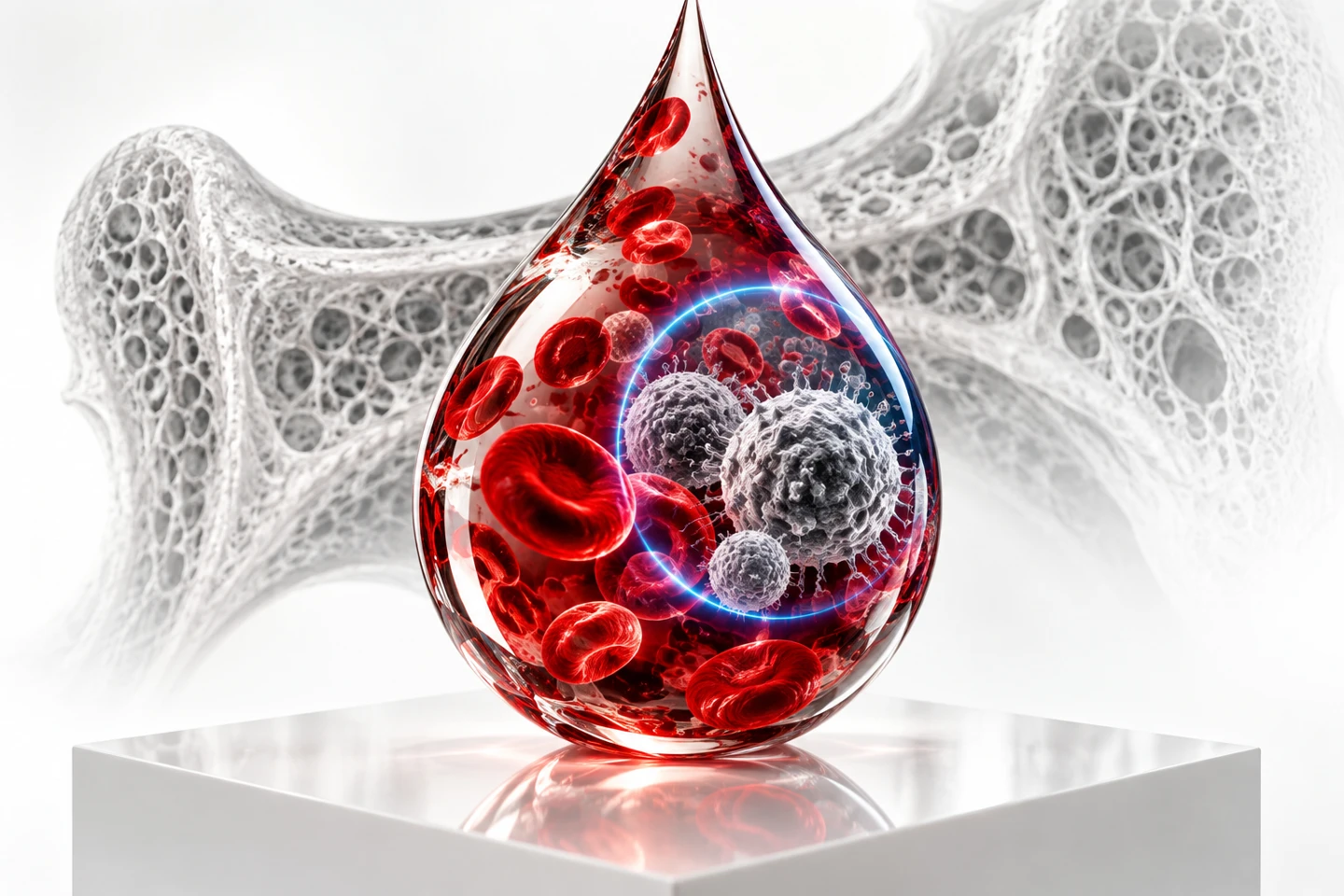
- لوسمی سرطان سلولهای خونساز است و معمولا از مغز استخوان شروع میشود.
- حاد یا مزمن بودن و رده میلوئیدی یا لنفوئیدی چهارچوب اصلی تشخیصاند؛ AML (لوسمی میلوئیدی حاد؛ نوعی سرطان خون با شروع سریع که به ارزیابی فوری نیاز دارد)، ALL (لوسمی لنفوبلاستیک حاد؛ سرطان خون سریعالرشد که از سلولهای نابالغ لنفاوی آغاز میشود)، CML (لوسمی میلوئیدی مزمن؛ نوعی لوسمی که معمولاً با تغییر ژنی مشخص شناخته میشود) و CLL (لوسمی لنفوسیتی مزمن؛ نوعی سرطان خون که در بعضی افراد آهسته پیش میرود) درمان یکسان ندارند.
- Leukemia is a cancer of blood-forming cells, usually beginning in bone marrow.
- Acute versus chronic and myeloid versus lymphoid distinctions are central; AML (acute myeloid leukemia, a rapidly developing blood cancer requiring prompt assessment), ALL (acute lymphoblastic leukemia, a fast-growing cancer of immature lymphoid cells), CML (chronic myeloid leukemia, usually identified by a characteristic genetic change) and CLL (chronic lymphocytic leukemia, a blood cancer that progresses slowly in some people) require different care.
توضیح تکمیلی: جایگاه و اهمیت
Why it matters
- لوسمی شامل بیماریهای حاد و مزمن با رفتارهای بسیار متفاوت است.
- در انواع حاد، تشخیص و شروع مراقبت تخصصی بهموقع اهمیت زیادی دارد.
- موارد جدید در ۲۰۲۴: ایران ۷٬۰۰۹؛ جهان ۴۹۵٬۱۱۳.
- Leukemia includes acute and chronic diseases with very different behavior.
- Timely diagnosis and specialist care are particularly important in acute disease.
- New cases in 2024: Iran 7,009; worldwide 495,113.
توضیح تکمیلی: علائم و نشانهها
Signs and symptoms
- خستگی، رنگپریدگی، تب یا عفونت
- کبودی یا خونریزی غیرمعمول؛ بعضی انواع مزمن با آزمایش اتفاقی پیدا میشوند.
- خونریزی شدید، تب همراه بدحالی یا تنگی نفس: اقدام فوری
- Fatigue, pallor, fever or infection
- Unusual bruising or bleeding; some chronic types are found on routine blood tests.
- Severe bleeding, fever with illness or breathlessness: urgent care
توضیح تکمیلی: عوامل خطر و علتها
Risk factors and causes
- سن و بعضی زمینههای ژنتیکی
- پرتو، بنزن یا بعضی درمانهای قبلی؛ بسته به زیرنوع
- اغلب عامل قابل پیشگیری مشخصی ندارند؛ سرطان خون مسری نیست.
- Age and certain genetic predispositions
- Radiation, benzene or previous treatment, depending on subtype
- Often no specific preventable cause is found; leukemia is not contagious.
توضیح تکمیلی: روشهای تشخیص
Diagnostic assessment
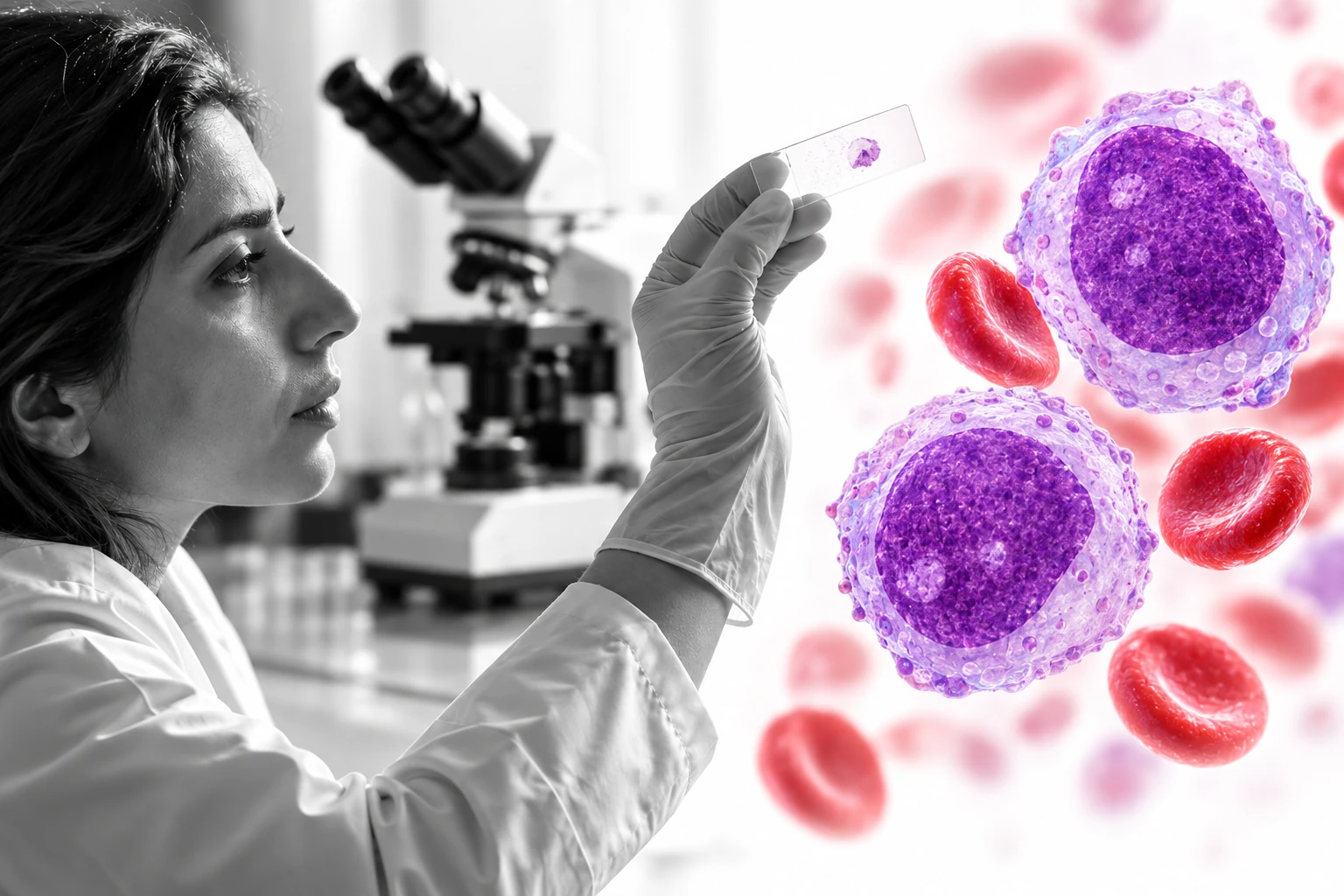
- CBC (شمارش کامل خون؛ تعداد و اندازهٔ سلولهای خونی و پلاکتها را میسنجد) و اسمیر خون سرنخ میدهند؛ تایید و تعیین نوع اغلب به نمونه مغز استخوان، فلوسایتومتری، بررسی کروموزومی و آزمایش ژنها نیاز دارد.
- نتیجه این آزمایشها بر فوریت و نوع درمان اثر دارد.
- CBC (a complete blood count that measures blood cells and platelets) and a blood smear provide clues; confirmation and classification often require marrow examination, flow cytometry, chromosome studies and molecular tests.
- Results influence urgency and treatment.
توضیح تکمیلی: نوع و ارزیابی خطر لوسمی
Leukemia type and risk assessment
- برای لوسمی حاد مرحلههای I تا IV سرطانهای جامد به کار نمیروند؛ ژنتیک، نوع بیماری و پاسخ درمان گروه خطر را تعیین میکنند.
- CLL مرحلهبندی اختصاصی و CML فازهای بیماری دارد.
- Acute leukemias do not use solid-tumor stages I–IV; genetics, disease type and treatment response define risk.
- CLL has its own staging systems, and CML is described by disease phase.
توضیح تکمیلی: درمان
Treatment
- لوسمی حاد معمولا به درمان سریع تخصصی با داروهای ضدسرطان و گاهی درمان هدفمند یا پیوند نیاز دارد.
- CML اغلب با مهارکننده تیروزینکیناز درمان میشود؛ بعضی CLLهای بدون علامت ابتدا پایش میشوند.
- در APL مشکوک، خطر خونریزی و نیاز به اقدام فوری اهمیت ویژه دارد.
- Acute leukemias usually need prompt specialist drug treatment, sometimes targeted therapy or transplantation.
- CML is often treated with a tyrosine kinase inhibitor; selected asymptomatic CLL is monitored initially.
- Suspected APL requires urgent action because of bleeding risk.
یک نام، چند بیماری
Several distinct diseases
- لوسمی سرطان بافتهای خونساز است.
- نامهایی مانند AML، ALL، CML و CLL به بیماریهای متفاوت اشاره دارند؛ راهنمای یک نوع لوسمی را نباید به همه انواع تعمیم داد.
- Leukemia is cancer of blood-forming tissues.
- AML, ALL, CML and CLL refer to different diseases; guidance for one type cannot be applied to all types.
خون و مغز استخوان
Blood and bone marrow
- برای تشخیص AML از بررسی خون و مغز استخوان استفاده میشود.
- گزارش آزمایشها باید در کنار ارزیابی پزشک خوانده شود؛ یک عدد غیرطبیعی در آزمایش خون بهتنهایی نام بیماری را تعیین نمیکند.
- Blood and bone marrow tests are used to diagnose AML.
- Results must be interpreted with the clinical assessment; an abnormal blood count alone does not identify the disease.
پرسشهای درمانی
Treatment questions
- ابتدا نام دقیق لوسمی را بپرسید، سپس درباره آزمایشهای تکمیلی، هدف درمان، نحوه ارزیابی پاسخ و برنامه پیگیری گفتوگو کنید.
- گزینههای درمانی به نوع بیماری و وضعیت فرد بستگی دارند.
- First confirm the exact leukemia type.
- Then discuss further tests, treatment goals, response assessment and follow-up.
- Treatment options depend on the disease and the individual situation.
نقش ژنتیک در تشخیص
Genetics refines the diagnosis
- در لوسمی، ظاهر سلولها فقط بخشی از تشخیص است.
- فلوسایتومتری و بررسی کروموزومها یا تغییرات مولکولی میتوانند زیرنوع، سطح خطر و امکان استفاده از داروی هدفمند را مشخص کنند.
- نتیجهٔ این آزمایشها باید در کنار وضعیت بیمار تفسیر شود.
- Cell appearance is only part of a leukemia diagnosis.
- Flow cytometry, chromosome analysis and molecular tests can define the subtype, risk and potential targeted treatment.
- Results are interpreted alongside the patient’s condition.
پاسخ درمان فراتر از CBC
Response beyond the blood count
- طبیعیشدن شمارش خون همیشه به معنی ازبینرفتن همهٔ سلولهای بیماری نیست.
- در بعضی زیرنوعها، آزمایشهای حساسترِ بیماری باقیمانده یا تست مولکولی برای ارزیابی عمق پاسخ و تصمیمهای بعدی استفاده میشوند.
- Normal blood counts do not always mean all disease cells are gone.
- In selected subtypes, sensitive residual-disease or molecular tests assess response depth and inform subsequent decisions.