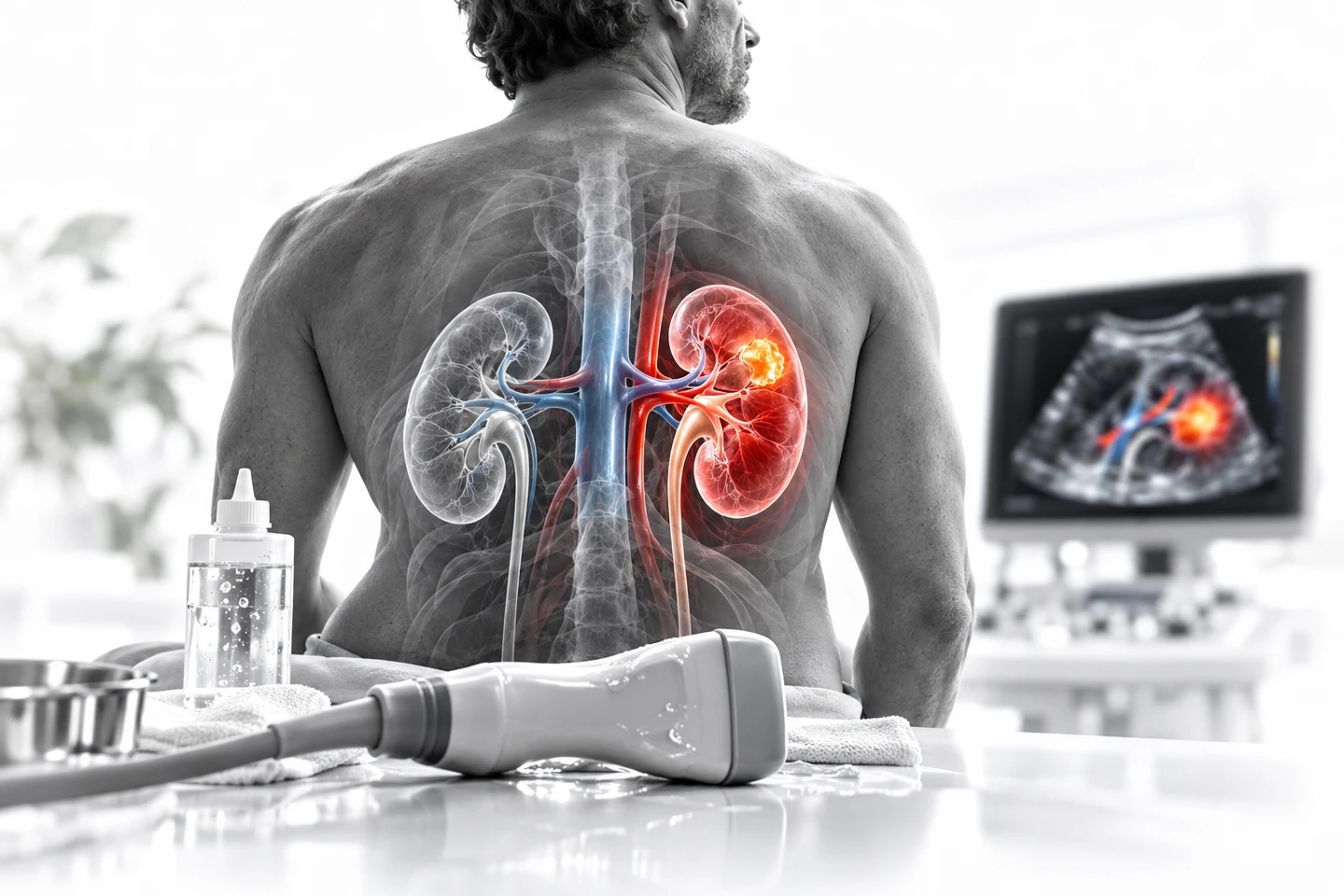
توضیح تکمیلی: سرطان کلیه چیست؟
Understanding kidney cancer
- شایعترین سرطان کلیه در بزرگسالان، کارسینوم سلول کلیوی است.
- بسیاری از تودهها هنگام تصویربرداری برای مشکل دیگری کشف میشوند و همه تودههای کلیه بدخیم نیستند.
- Renal cell carcinoma is the commonest adult kidney cancer.
- Many masses are found incidentally on imaging, and not every kidney mass is malignant.
توضیح تکمیلی: جایگاه و اهمیت
Why it matters
- بعضی تومورها اتفاقی در تصویربرداری پیدا میشوند.
- تشخیص در مرحله موضعی میتواند امکان درمان و حفظ بیشتر عملکرد کلیه را فراهم کند.
- موارد جدید در ۲۰۲۴: ایران ۳٬۱۶۰؛ جهان ۴۴۲٬۵۷۰.
- Some tumors are found incidentally on scans.
- Localized detection may allow effective treatment while preserving more kidney function.
- New cases in 2024: Iran 3,160; worldwide 442,570.
توضیح تکمیلی: علائم و نشانهها
Signs and symptoms
- خون در ادرار، حتی بدون درد، باید بررسی شود.
- درد ماندگار پهلو یا توده شکم
- وجود هر سه علامت با هم شایع نیست.
- Blood in urine needs assessment even without pain.
- Persistent flank pain or an abdominal mass
- Having all three signs together is uncommon.
توضیح تکمیلی: عوامل خطر و علتها
Risk factors and causes
- سیگار، چاقی و فشار خون بالا
- برخی بیماریهای ارثی یا دیالیز طولانیمدت
- داشتن عامل خطر به معنی ابتلای قطعی نیست.
- Smoking, obesity and high blood pressure
- Inherited conditions or long-term dialysis
- Having a risk factor does not make cancer inevitable.
توضیح تکمیلی: روشهای تشخیص
Diagnostic assessment
- CT (سیتیاسکن؛ تصویربرداری با پرتو ایکس برای دیدن اندامهای داخل بدن) یا MRI (امآرآی؛ تصویربرداری با میدان مغناطیسی و بدون پرتو ایکس) با کنتراست معمولاً پایه تشخیص و مرحله بیماری است.
- در بعضی تودههای کوچک یا قبل از درمان غیرجراحی نمونهبرداری میتواند مفید باشد، اما همیشه لازم نیست.
- عملکرد کلیه و کلیه مقابل نیز در تصمیم درمانی اهمیت دارند.
- Contrast CT (computed tomography, X-ray imaging of structures inside the body) or MRI (magnetic resonance imaging, which uses magnetic fields rather than X-rays) is central to diagnosis and staging.
- Biopsy can be useful for selected small masses or before nonsurgical therapy but is not always required.
- Kidney function and the opposite kidney also matter.
توضیح تکمیلی: مرحلهبندی سرطان
Cancer staging
- RCC با TNM (روش توصیف اندازه و گسترش تومور، درگیری غدد لنفاوی و پخششدن به بخشهای دور بدن) به مراحل I تا IV تقسیم میشود.
- اندازه تومور، خروج از کلیه، درگیری وریدها یا غدد لنفاوی و متاستاز تعیینکننده مرحله بیماری هستند.
- RCC is staged by TNM (a system describing tumor size and local spread, lymph-node involvement and distant spread) from I to IV.
- Tumor size, extension beyond the kidney, venous or nodal involvement and metastasis determine stage.
توضیح تکمیلی: درمان
Treatment
- در بیماری موضعی، partial nephrectomy در صورت امکان به حفظ عملکرد کلیه کمک میکند و در بعضی موارد radical nephrectomy، تخریب موضعی تومور یا پایش فعال مناسب است.
- در بیماری پیشرفته، ترکیبهای ایمنیدرمانی و درمان هدفمند ستون اصلی درمان هستند.
- For localized disease, partial nephrectomy can preserve kidney function when feasible; radical nephrectomy, ablation or active surveillance may be appropriate in selected cases.
- Advanced disease is primarily treated with immunotherapy and targeted-therapy combinations.
پیگیری و پیشآگهی
Prognosis and follow-up
- stage و grade عوامل مهم پیشآگهی هستند.
- RCC میتواند حتی سالها بعد عود کند، بنابراین surveillance بر اساس stage و خطر عود باید ادامه یابد.
- Stage and grade are major prognostic factors.
- RCC can recur even years later, so surveillance should continue according to stage and recurrence risk.
کارهای مهم برای بیمار
Practical next steps
- اندازه و محل توده، stage، نوع RCC و عملکرد کلیه را مشخص کنید.
- اگر جراحی مطرح است، درباره امکان حفظ بخشی از کلیه و در بیماری پیشرفته درباره مدل ریسک و گزینههای ایمنیدرمانی سؤال کنید.
- Clarify tumor size and location, stage, RCC subtype and kidney function.
- If surgery is planned, ask about kidney-sparing options; in advanced disease, ask about risk category and immunotherapy-based options.