اختلالات انعقاد و پلاکت چیست؟
Understanding clotting and platelet disorders
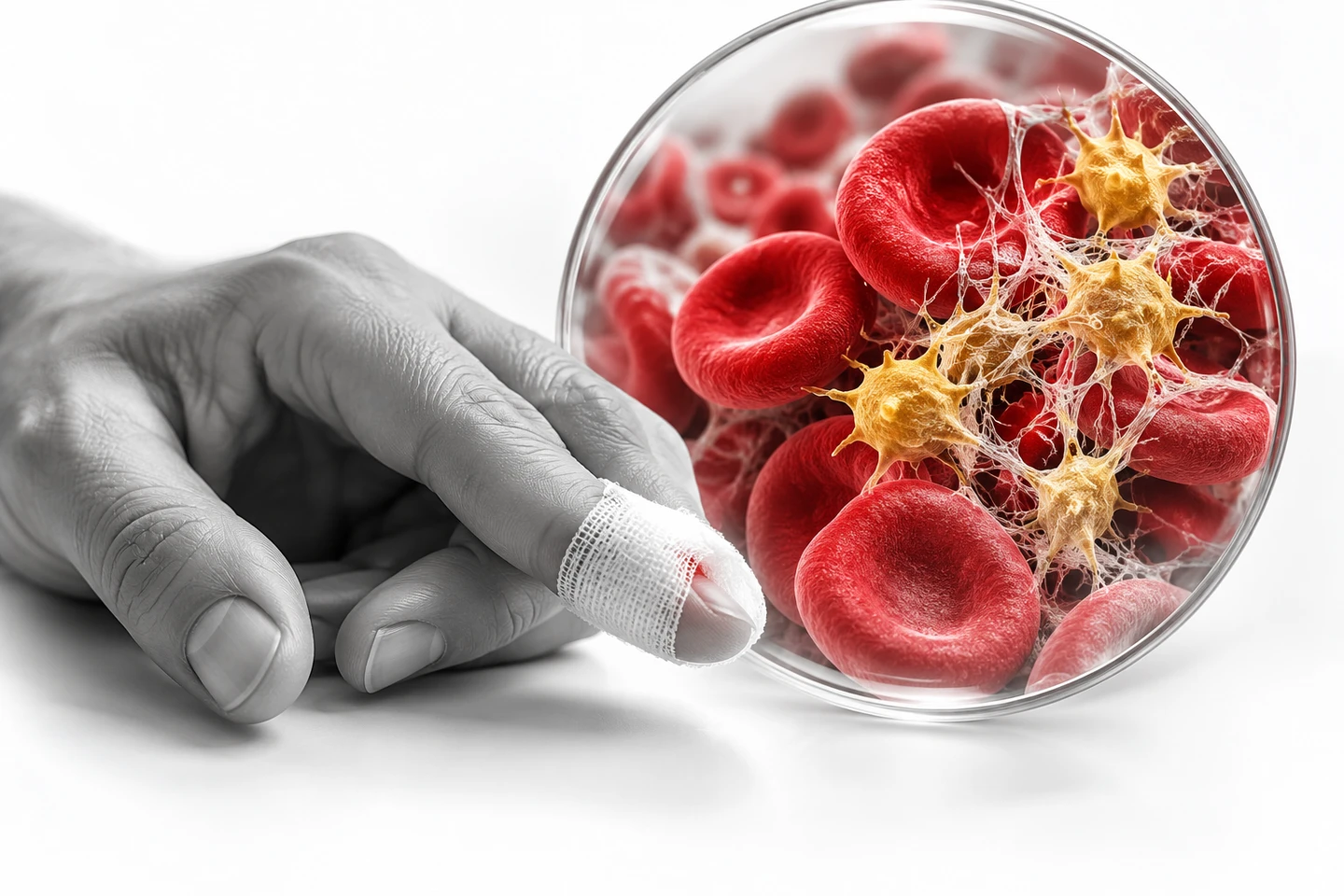
- Clotting relies on platelets and clotting proteins.
- Hemophilia usually involves factor VIII or IX deficiency; von Willebrand disease and platelet dysfunction can also cause bleeding.
- اختلالِ تعداد یا عملکرد پلاکت و عوامل انعقاد
- علتهای ارثی یا اکتسابی با درمانهای متفاوت
جایگاه و اهمیت
Why it matters
- Bleeding disorders vary in cause and severity; hemophilia is not a platelet disorder.
- Bleeding history, procedure planning and prompt treatment access matter.
- گروهی متنوع از اختلالهای خونریزی
- اهمیتِ تشخیص دقیق و برنامهٔ پیشگیری از خونریزی
علائم و نشانهها
Signs and symptoms
- Prolonged bleeding after surgery or dental work
- Bruising and mucosal bleeding; joint or muscle bleeding in hemophilia
- A head injury needs urgent assessment.
- کبودی یا خونریزی غیرعادی
- خونریزی طولانی پس از جراحی یا کشیدن دندان
- قاعدگی سنگین
- خونریزی مفصل یا عضله در برخی اختلالها
عوامل خطر و علتها
Risk factors and causes
- Inherited disorders or acquired inhibitors
- Medicines and liver disease in some bleeding disorders
- Personal and family bleeding history matters more than a single test.
- سابقهٔ خانوادگی خونریزی
- برخی داروها
- بیماری کبد، ایمنی یا مغز استخوان
روشهای تشخیص
Diagnostic assessment
- CBC (a complete blood count that measures blood cells and platelets), PT (prothrombin time, a blood-clotting test) and aPTT (activated partial thromboplastin time, a blood-clotting test) are interpreted with the bleeding pattern.
- Factor, von Willebrand or platelet-function tests are selected as indicated; normal screening tests do not exclude every bleeding disorder.
- شرح حال خونریزی و داروها
- شمارش پلاکت و آزمایشهای انعقاد
- اندازهگیری عوامل انعقاد یا عملکرد پلاکت در موارد لازم
شدت اختلال خونریزی
Bleeding-disorder severity
- Hemophilia severity is based on clotting-factor activity and bleeding pattern.
- Other bleeding disorders have their own measures.
- نوع اختلال پلاکتی یا انعقادی
- شدت و سابقهٔ خونریزی
- برنامهٔ ایمن برای جراحی یا اقدام تهاجمی
درمان
Treatment
- Care may involve factor replacement, nonfactor treatment or specific platelet-disorder treatment.
- Dental work, surgery, pregnancy and contact sports require a bleeding-prevention plan with the care team.
- درمان اختصاصیِ علت خونریزی
- جایگزینی عامل انعقاد یا داروی مناسب در موارد منتخب
- برنامهٔ پیشگیری برای جراحی و اقدامات دندانپزشکی
جزئیات بیشترFurther detail
توضیح تکمیلی: اختلالات انعقاد و پلاکت چیست؟
Understanding clotting and platelet disorders
- انعقاد خون به همکاری پلاکتها و پروتئینهای انعقادی نیاز دارد.
- هموفیلی معمولا کمبود فاکتور VIII یا IX است؛ بیماری فونویلبراند و اختلال عملکرد پلاکت نیز میتوانند خونریزی ایجاد کنند.
- Clotting relies on platelets and clotting proteins.
- Hemophilia usually involves factor VIII or IX deficiency; von Willebrand disease and platelet dysfunction can also cause bleeding.
توضیح تکمیلی: جایگاه و اهمیت
Why it matters
- اختلالات خونریزی از نظر علت و شدت متفاوتاند؛ هموفیلی با بیماری پلاکت یکسان نیست.
- شناخت سابقه خونریزی، پیشگیری از عوارض جراحی و دسترسی سریع به درمان مهم است.
- Bleeding disorders vary in cause and severity; hemophilia is not a platelet disorder.
- Bleeding history, procedure planning and prompt treatment access matter.
توضیح تکمیلی: علائم و نشانهها
Signs and symptoms
- خونریزی طولانی پس از جراحی یا دندانپزشکی
- کبودی و خونریزی مخاطی؛ در هموفیلی، خونریزی مفصل یا عضله
- ضربه به سر باید فوری ارزیابی شود.
- Prolonged bleeding after surgery or dental work
- Bruising and mucosal bleeding; joint or muscle bleeding in hemophilia
- A head injury needs urgent assessment.
توضیح تکمیلی: عوامل خطر و علتها
Risk factors and causes
- اختلالات ارثی یا مهارکنندههای اکتسابی
- داروها و بیماری کبد در برخی اختلالات خونریزی
- سابقه خونریزی شخصی و خانوادگی از یک آزمایش منفرد مهمتر است.
- Inherited disorders or acquired inhibitors
- Medicines and liver disease in some bleeding disorders
- Personal and family bleeding history matters more than a single test.
توضیح تکمیلی: روشهای تشخیص
Diagnostic assessment
- CBC (شمارش کامل خون؛ تعداد و اندازهٔ سلولهای خونی و پلاکتها را میسنجد)، PT (آزمایش زمان پروترومبین؛ یکی از بررسیهای انعقاد خون) و aPTT (آزمایش زمان نسبی ترومبوپلاستین؛ یکی از بررسیهای انعقاد خون) همراه الگوی خونریزی بررسی میشوند.
- آزمایش فاکتورهای انعقادی، فونویلبراند یا عملکرد پلاکت بر اساس شک بالینی انتخاب میشوند؛ آزمایش اولیه طبیعی همه اختلالات خونریزی را رد نمیکند.
- CBC (a complete blood count that measures blood cells and platelets), PT (prothrombin time, a blood-clotting test) and aPTT (activated partial thromboplastin time, a blood-clotting test) are interpreted with the bleeding pattern.
- Factor, von Willebrand or platelet-function tests are selected as indicated; normal screening tests do not exclude every bleeding disorder.
توضیح تکمیلی: شدت اختلال خونریزی
Bleeding-disorder severity
- شدت هموفیلی بر پایهٔ میزان فعالیت فاکتور انعقادی و الگوی خونریزی سنجیده میشود.
- اختلالات دیگر خونریزی هم معیارهای ویژهٔ خود را دارند.
- Hemophilia severity is based on clotting-factor activity and bleeding pattern.
- Other bleeding disorders have their own measures.
توضیح تکمیلی: درمان
Treatment
- درمان میتواند جایگزینی فاکتور، درمانهای غیرفاکتوری یا درمان اختصاصی اختلال پلاکت باشد.
- پیش از دندانپزشکی، جراحی، بارداری یا ورزش پربرخورد باید برنامه پیشگیری از خونریزی با مرکز درمان هماهنگ شود.
- Care may involve factor replacement, nonfactor treatment or specific platelet-disorder treatment.
- Dental work, surgery, pregnancy and contact sports require a bleeding-prevention plan with the care team.
الگوی خونریزی راهنماست
The bleeding pattern matters
- پتشی و خونریزی مخاطی بیشتر با اختلال پلاکتی دیده میشود؛ همارتروز و خونریزی عمقی، بهویژه از کودکی، اختلالات فاکتورهای انعقادی را مطرح میکند.
- Petechiae and mucosal bleeding suggest platelet problems; hemarthrosis and deep bleeding, especially from childhood, suggest coagulation-factor disorders.
آزمایشهای اولیه
Initial tests
- CBC با شمارش پلاکت، اسمیر خون، PT/INR و aPTT نقطه شروعاند.
- نتیجه طبیعی این آزمایشها همه اختلالات خونریزیدهنده را رد نمیکند و گاهی تست فونویلبراند یا بررسی عملکرد پلاکت لازم است.
- CBC with platelet count, smear, PT/INR and aPTT are initial tests.
- Normal screening tests do not exclude every bleeding disorder; von Willebrand or platelet-function testing may be needed.
ایمنی بیمار
Patient safety
- پیش از جراحی یا اقدامات تهاجمی باید سابقه خونریزی، داروهای ضدپلاکت/ضدانعقاد و تشخیص احتمالی با هماتولوژی هماهنگ شود.
- در خونریزی شدید، مراجعه فوری ضروری است.
- Before procedures, bleeding history and antiplatelet/anticoagulant drugs should be reviewed with hematology.
- Severe bleeding requires urgent care.
الگوی خونریزی سرنخ میدهد
Bleeding patterns offer clues
- کبودی و خونریزی پوستی یا مخاطی بیشتر میتوانند با مشکل پلاکت دیده شوند، درحالیکه خونریزی عمقی و مفصلی در بعضی کمبودهای فاکتور شایعتر است.
- این الگوها قطعی نیستند و شرح حال و آزمایش تکمیلکنندهاند.
- Skin or mucosal bleeding may suggest a platelet problem, while deep or joint bleeding is more typical of some factor deficiencies.
- Patterns are not definitive; history and tests complete the assessment.
برنامهٔ مراقبت شخصی
An individualized care plan
- شدت بیماری، سابقهٔ خونریزی و پاسخ به درمان تعیین میکنند چه برنامهای لازم است.
- داشتن نام تشخیص، داروهای فعلی و راه تماس با مرکز درمان، بهویژه پیش از اقدام تهاجمی یا در سفر، مفید است.
- Severity, bleeding history and treatment response guide care.
- Keeping the diagnosis, medicine list and treatment-center contact details available is helpful, especially before procedures or travel.
سوالهای رایجCommon questions
هموفیلی و افت پلاکت یکیاند؟Are hemophilia and low platelets the same?
خیر؛ هموفیلی به فاکتورهای انعقادی مربوط است، اما افت پلاکت به تعداد سلولهای آغازکنندهٔ لخته مربوط میشود.
No. Hemophilia affects clotting factors; thrombocytopenia reduces the platelets that start clot formation.
پیش از دندانپزشکی چه کنم؟What should I do before dental care?
پزشک خون و دندانپزشک را از اختلال خونریزی و داروها مطلع کنید تا برنامهٔ پیشگیری از خونریزی هماهنگ شود.
Tell your hematologist and dentist about the disorder and medicines so bleeding prevention can be planned.
آسپرین را خودم قطع کنم؟Should I stop aspirin myself?
شروع یا قطع آسپرین و مسکنها باید با پزشک هماهنگ شود؛ خطر خونریزی و علت تجویز دارو هر دو مهماند.
Discuss starting or stopping aspirin and painkillers. Bleeding risk and the reason for the prescription both matter.
کارت یا مشخصات بیماری همراه داشته باشم؟Should I carry information about my bleeding disorder?
بله؛ نوع اختلال، درمان مصرفی و شمارهٔ مرکز درمان را در دسترس بگذارید، بهویژه هنگام سفر یا مراجعهٔ اورژانسی.
Yes. Keep your diagnosis, treatment and haemophilia-center contact details available, especially for travel or emergencies.