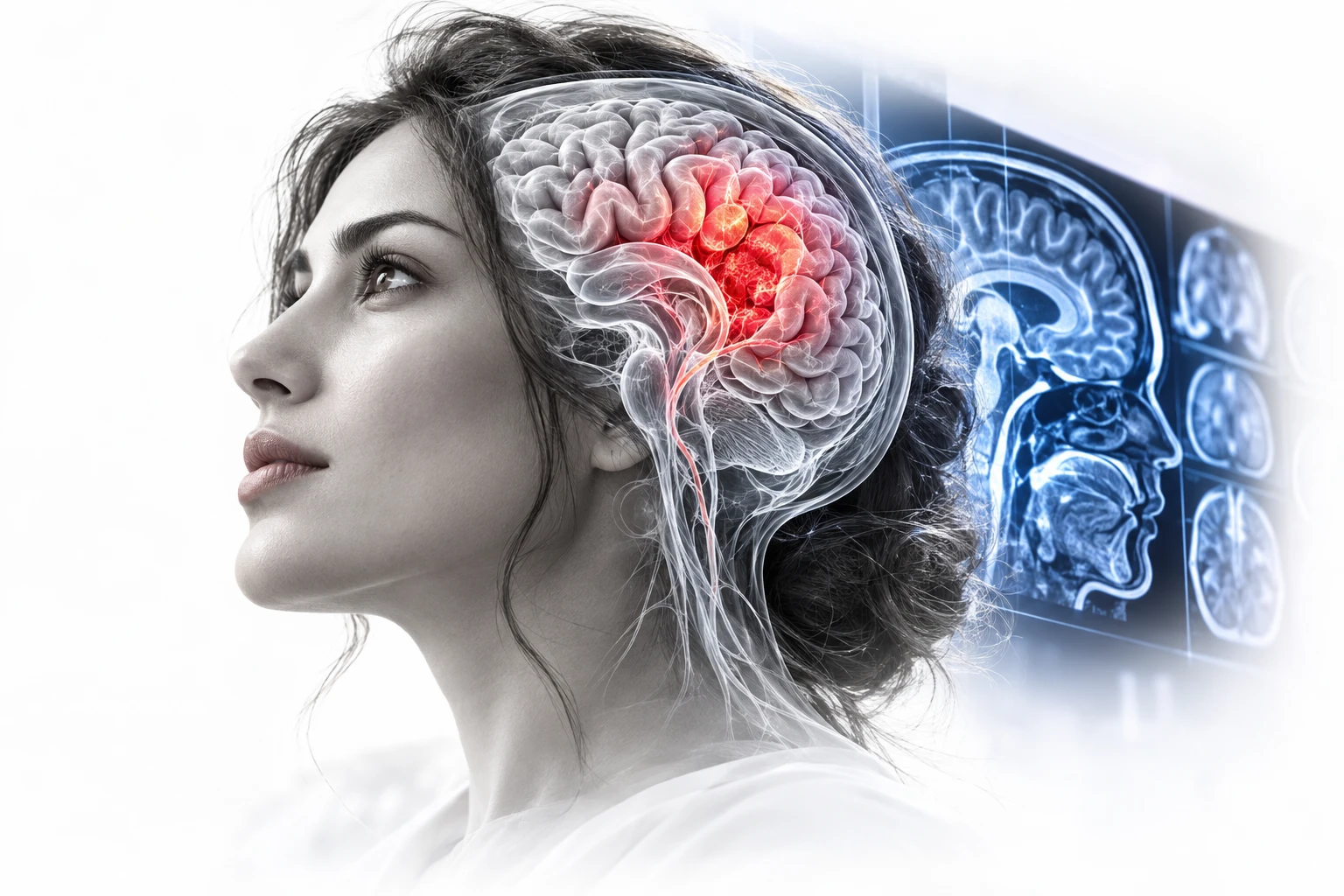
توضیح تکمیلی: تومورهای مغزی چیست؟
Understanding brain tumors
- تومورهای مغزی شامل انواع خوشخیم و بدخیماند؛ انتشار سرطان عضو دیگر به مغز با تومور اولیه مغز فرق دارد.
- حتی تومور خوشخیم بسته به محل خود میتواند مشکل جدی ایجاد کند.
- Brain tumors include benign and malignant types.
- A primary brain tumor differs from cancer spreading to the brain; even a benign tumor can cause serious problems because of its location.
توضیح تکمیلی: جایگاه و اهمیت
Why it matters
- تومورهای مغز نسبت به سرطانهای شایع کمتر دیده میشوند، اما محل تومور میتواند بر حرکت، گفتار و هوشیاری اثر بگذارد.
- نوع بافتی و مولکولی برای تصمیم درمان مهم است.
- موارد جدید در ۲۰۲۴: ایران ۵٬۹۸۷؛ جهان ۳۲۴٬۰۹۵.
- Less common than major cancer types, but location can affect movement, speech and awareness.
- Tissue and molecular type guide treatment.
- New cases in 2024: Iran 5,987; worldwide 324,095.
توضیح تکمیلی: علائم و نشانهها
Signs and symptoms
- تشنج تازه یا ضعف و بیحسی یکطرفه
- تغییر گفتار و بینایی یا سردرد پیشرونده
- ضعف ناگهانی یا تشنج طولانی اورژانسی است؛ بیشتر سردردها از تومور نیستند.
- New seizure or one-sided weakness or numbness
- Speech or vision changes or a progressive headache
- Sudden weakness or a prolonged seizure is an emergency; most headaches are not tumors.
توضیح تکمیلی: عوامل خطر و علتها
Risk factors and causes
- در اغلب بیماران علت مشخصی پیدا نمیشود.
- پرتودرمانی قبلی سر یا برخی سندرمهای ارثی
- شواهد کافی برای نسبت دادن هر تومور به تلفن همراه وجود ندارد.
- Most patients have no identifiable cause.
- Previous head radiation or inherited syndromes
- There is not enough evidence to attribute every tumor to mobile phones.
توضیح تکمیلی: روشهای تشخیص
Diagnostic assessment
- MRI (امآرآی؛ تصویربرداری با میدان مغناطیسی و بدون پرتو ایکس) مغز با کنتراست ابزار اصلی تصویربرداری است.
- در بسیاری از تومورها جراحی یا نمونهبرداری برای تشخیص، درجهٔ تومور بر اساس طبقهبندی سازمان جهانی بهداشت (WHO) و نشانگرهای مولکولی لازم است.
- در تومورهای گلیومی، اطلاعاتی مانند IDH (گروهی از ژنها که تغییر آنها در طبقهبندی و درمان بعضی تومورهای مغزی نقش دارد) و سایر نشانگرها در طبقهبندی مدرن اهمیت دارند.
- Contrast-enhanced brain MRI (magnetic resonance imaging, which uses magnetic fields rather than X-rays) is the main imaging test.
- Many tumors require surgery or biopsy for diagnosis, WHO grade and molecular markers.
- In gliomas, markers such as IDH (genes whose changes help classify and guide treatment of some brain tumors) and others are central to modern classification.
توضیح تکمیلی: مرحلهبندی سرطان
Cancer staging
- برای بیشتر تومورهای اولیه مغز سیستم مرحله بیماری I تا IV استاندارد مانند بسیاری از سرطانهای دیگر وجود ندارد.
- به جای آن نوع تومور، درجهٔ تومور بر اساس طبقهبندی سازمان جهانی بهداشت (WHO)، محل، مقدار تومور باقیمانده و ویژگیهای مولکولی استفاده میشوند.
- Most primary brain tumors do not use a standard stage I-IV system like many other cancers.
- Instead, tumor type, WHO grade, location, residual tumor and molecular features are used.
توضیح تکمیلی: درمان
Treatment
- درمان میتواند شامل جراحی با بیشترین برداشت ایمن، پرتودرمانی، شیمیدرمانی و در برخی انواع درمان هدفمند باشد.
- هدف جراحی برداشت حداکثر تومور با حفظ عملکرد عصبی است.
- درمان متاستازهای مغزی بر اساس تعداد ضایعات، نوع سرطان اولیه و گزینههای سیستمیک متفاوت است.
- Treatment may include maximal safe surgery, radiation, chemotherapy and targeted therapy for selected tumors.
- Surgery aims to remove as much tumor as safely possible while preserving neurologic function.
- Brain metastasis treatment depends on lesion number, primary cancer type and systemic options.
پیگیری و پیشآگهی
Prognosis and follow-up
- پیشآگهی بسیار وابسته به نوع و grade است؛ یک meningioma کمخطر با glioblastoma قابل مقایسه نیست.
- MRI دورهای، کنترل تشنج و حمایت توانبخشی، شناختی و روانی بخشی از پیگیری هستند.
- Prognosis varies enormously by type and grade; a low-risk meningioma is not comparable with glioblastoma.
- Periodic MRI, seizure management and rehabilitation, cognitive and psychological support are parts of follow-up.
کارهای مهم برای بیمار
Practical next steps
- نام دقیق تومور، WHO grade، مارکرهای مولکولی و مقدار تومور باقیمانده پس از جراحی را بپرسید.
- اگر جراحی پیشنهاد شده، درباره maximal safe resection و خطرات عملکردی محل تومور سؤال کنید.
- Ask for the exact tumor name, WHO grade, molecular markers and residual tumor after surgery.
- If surgery is proposed, ask about maximal safe resection and location-specific functional risks.